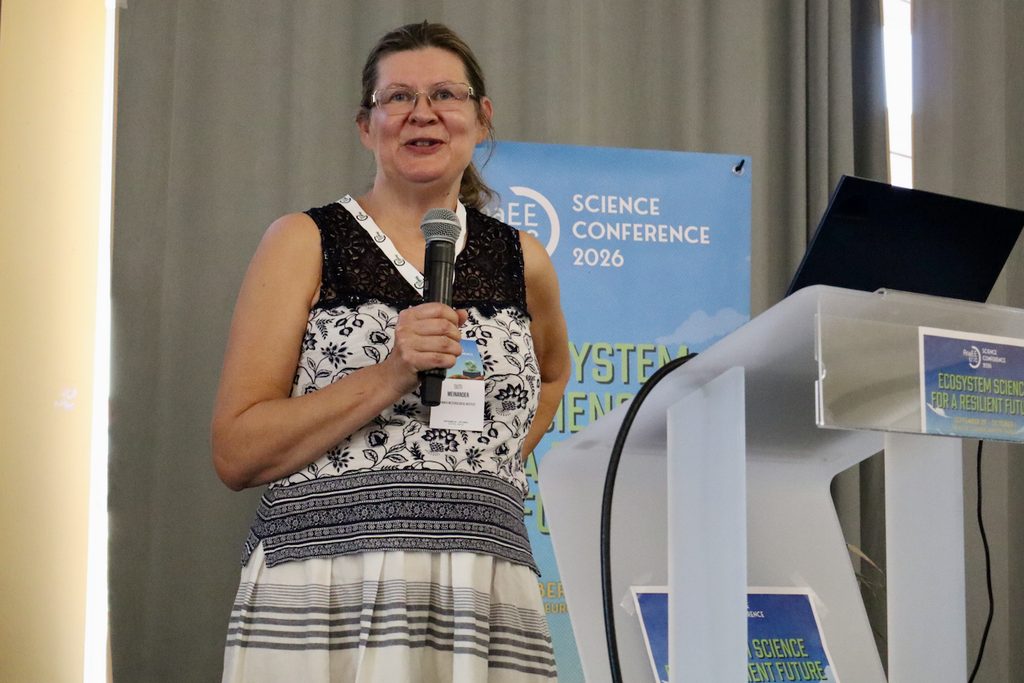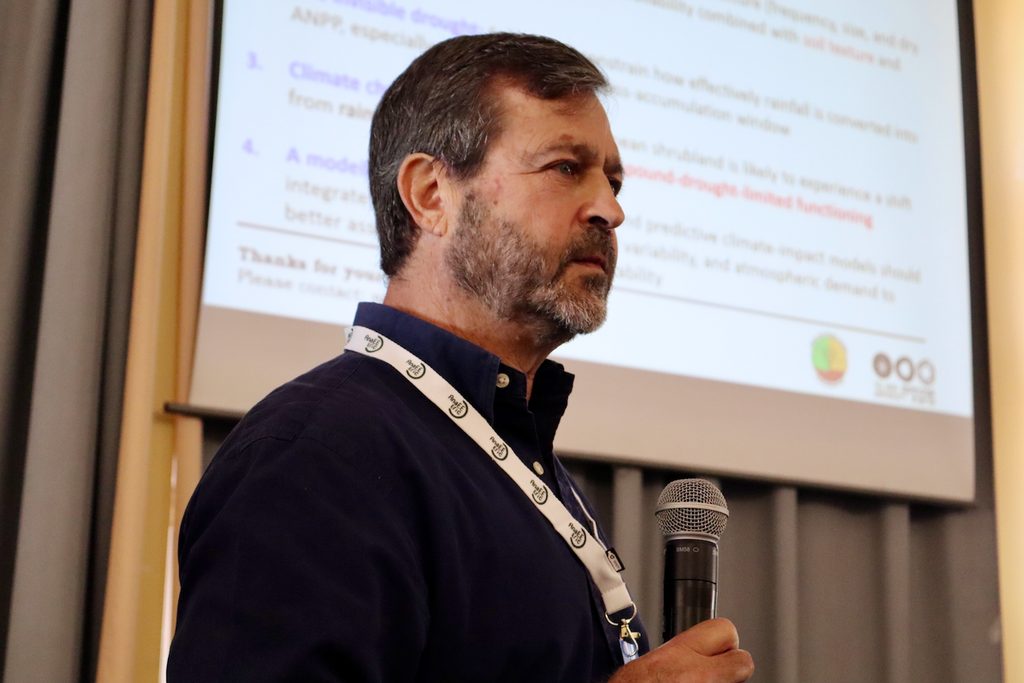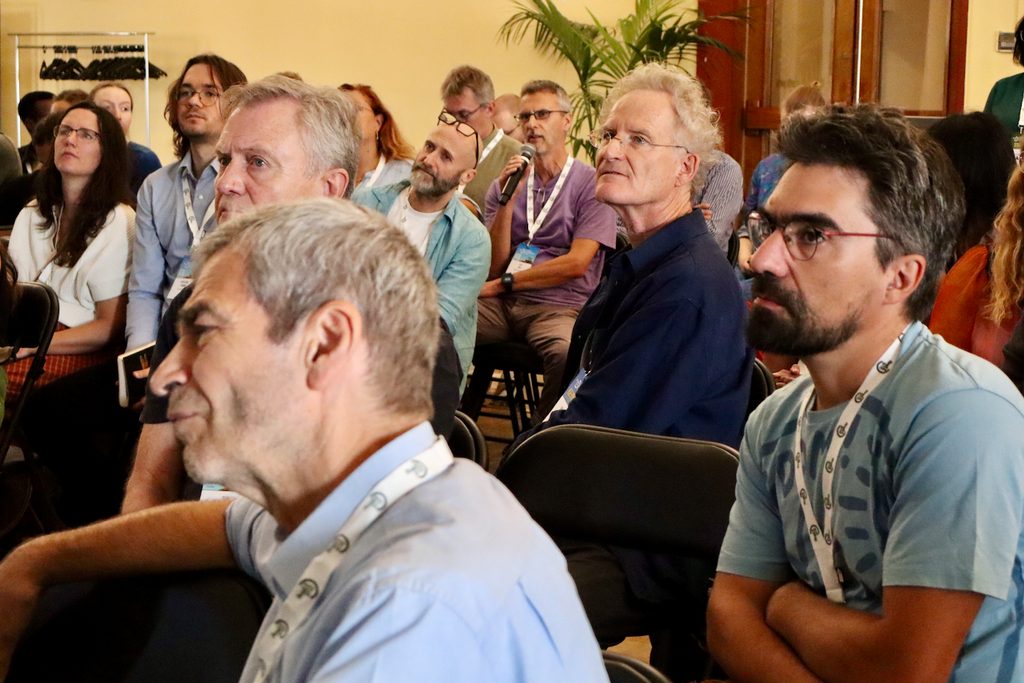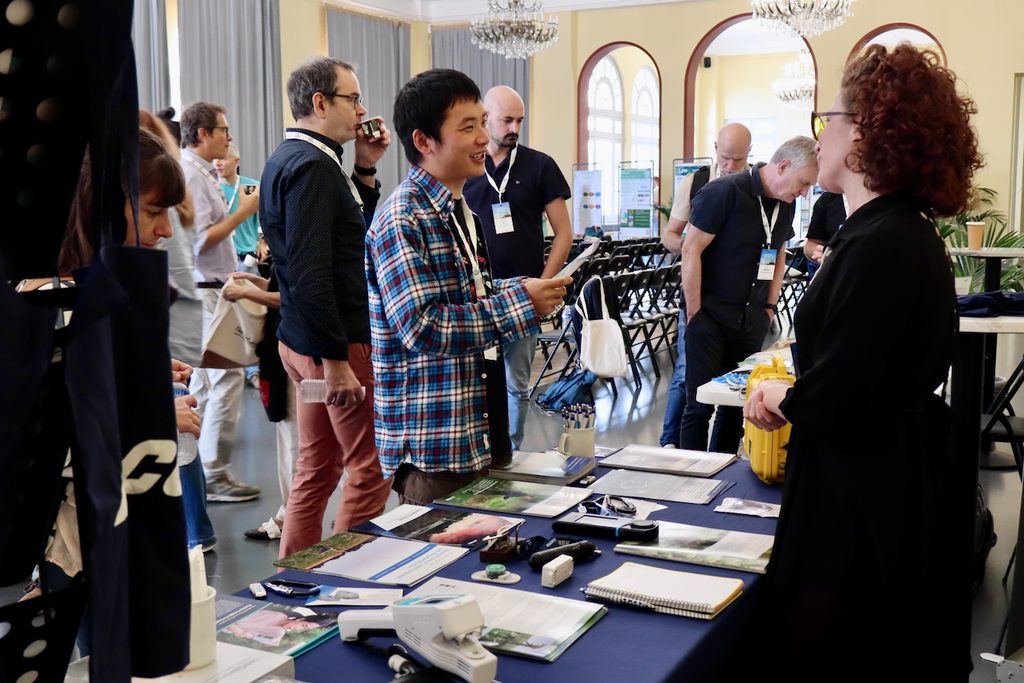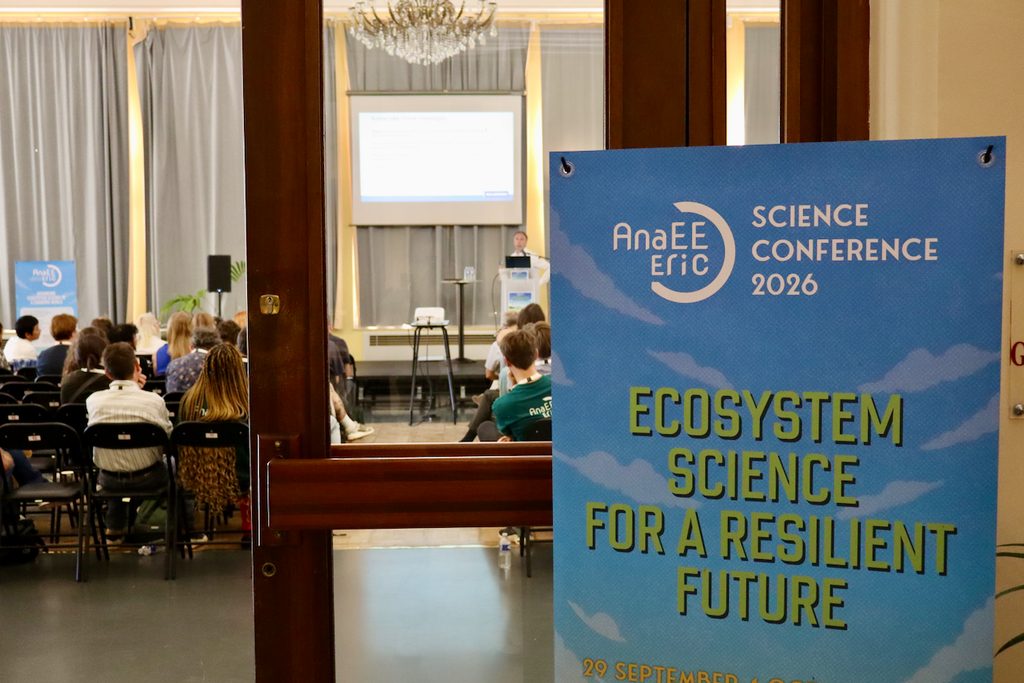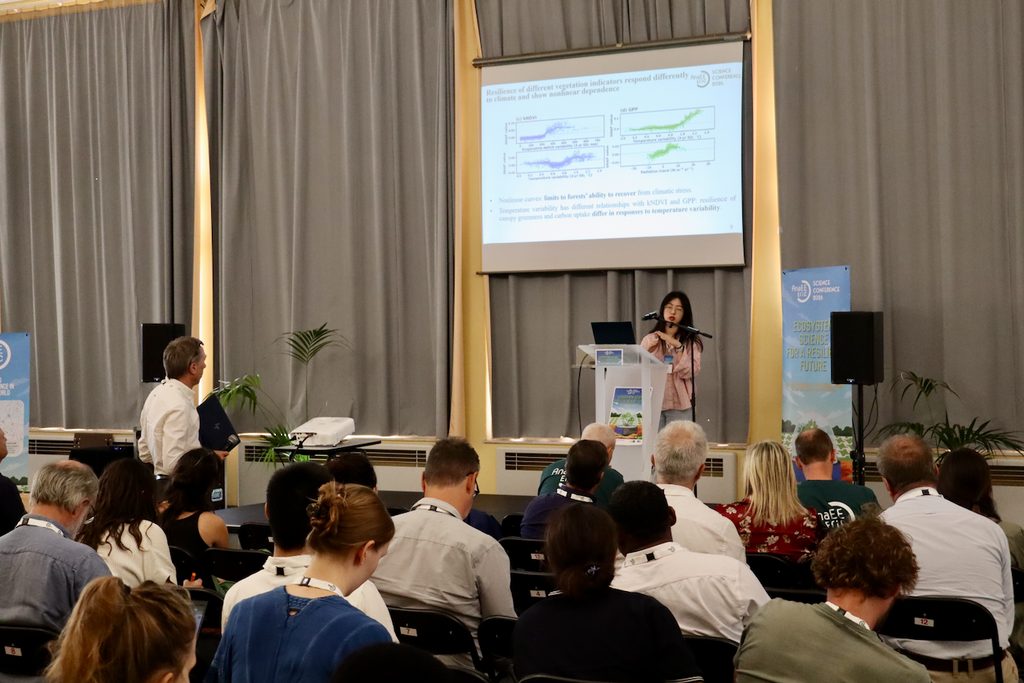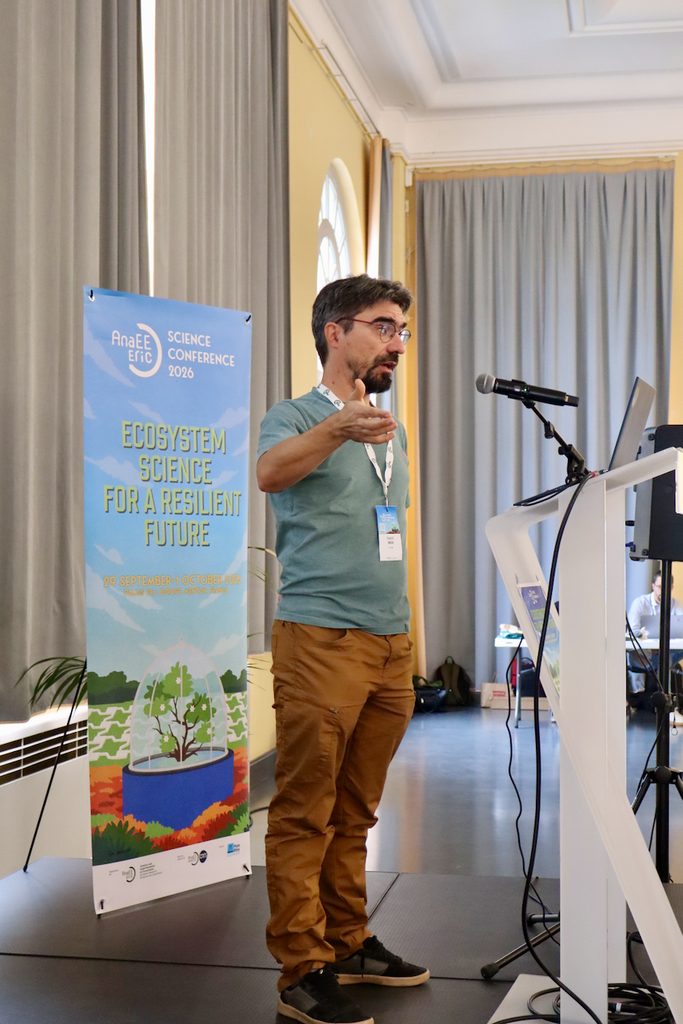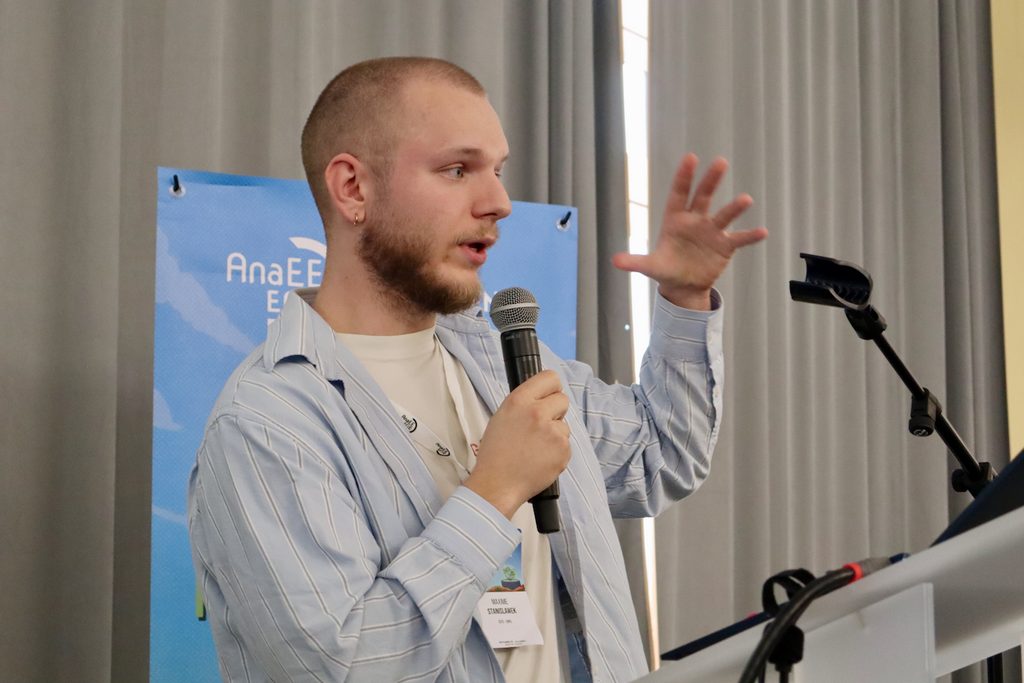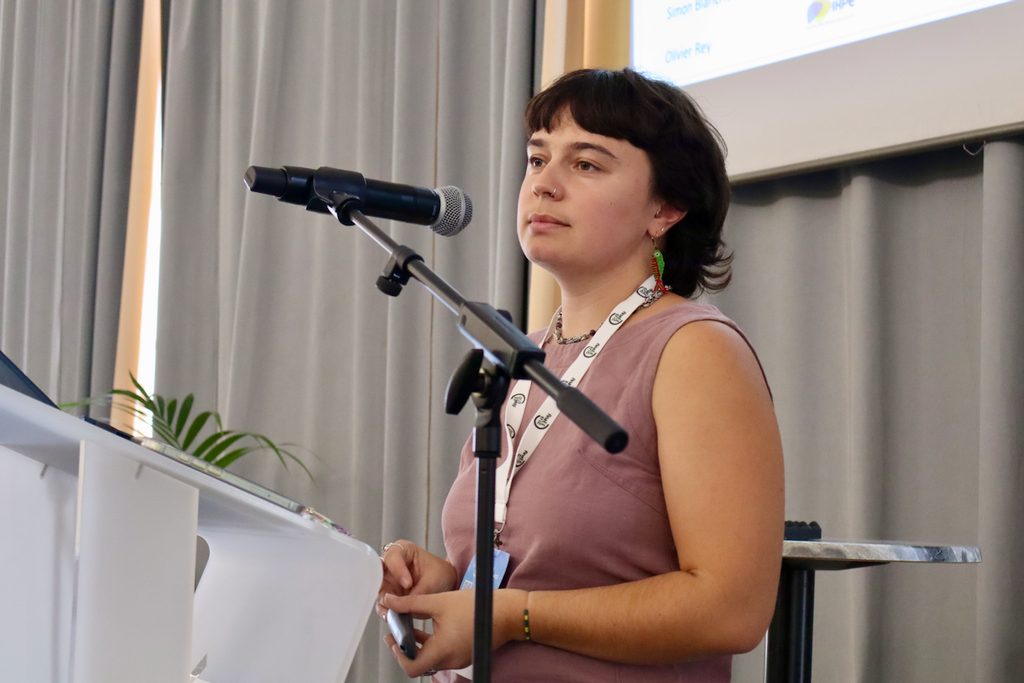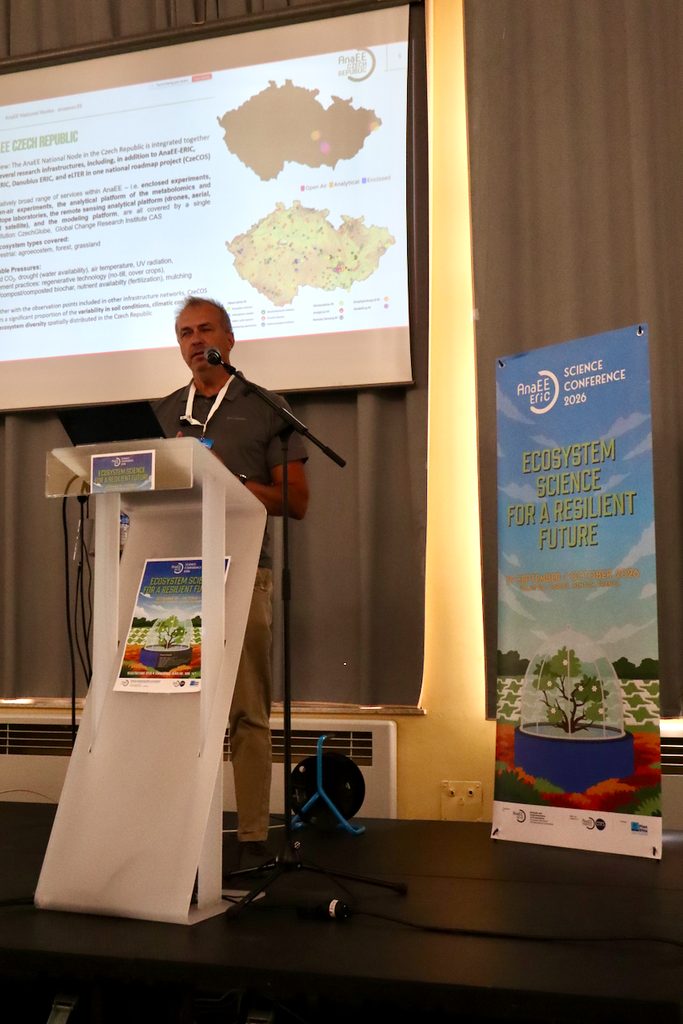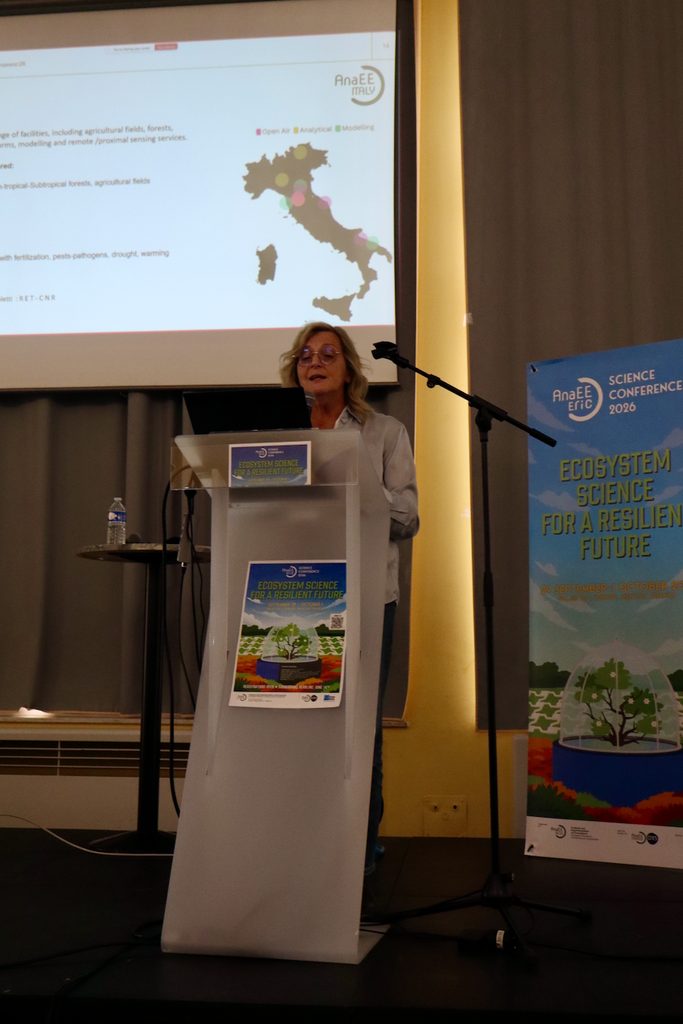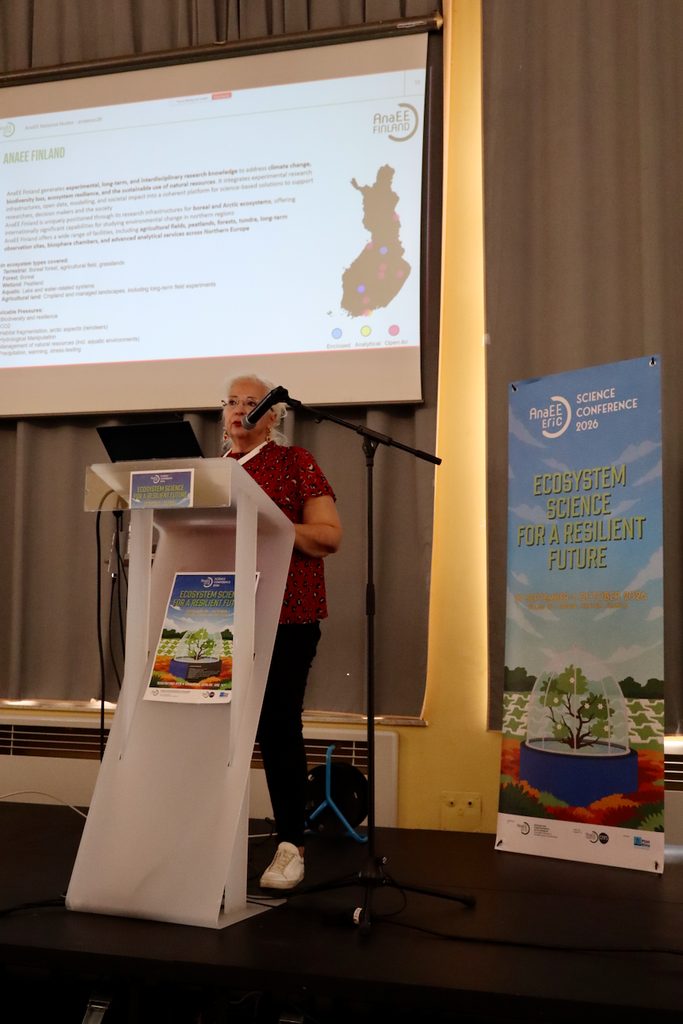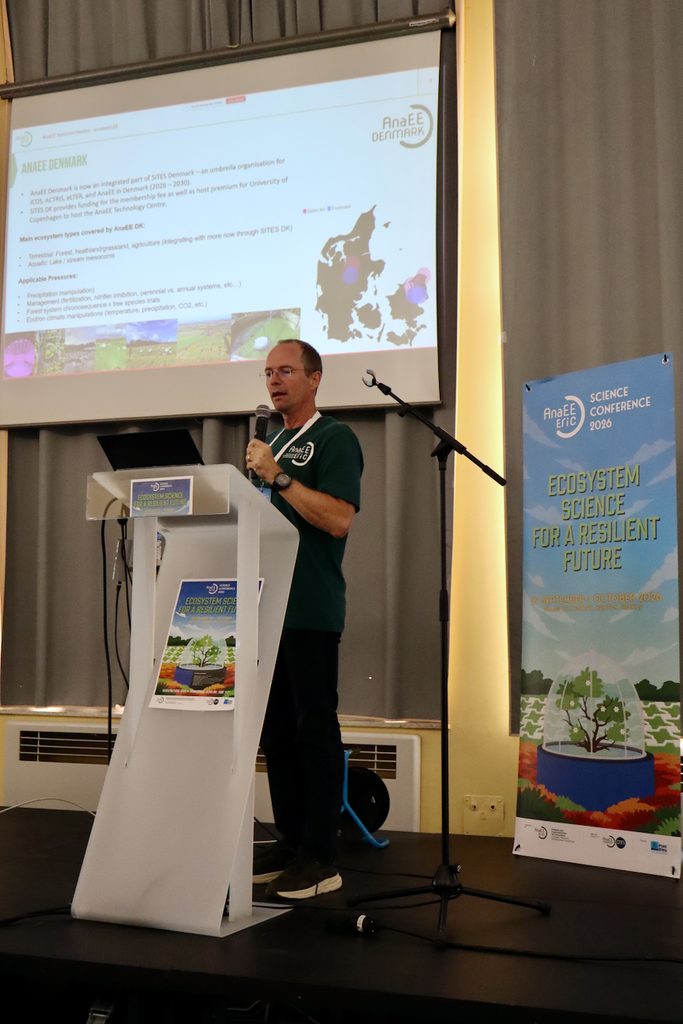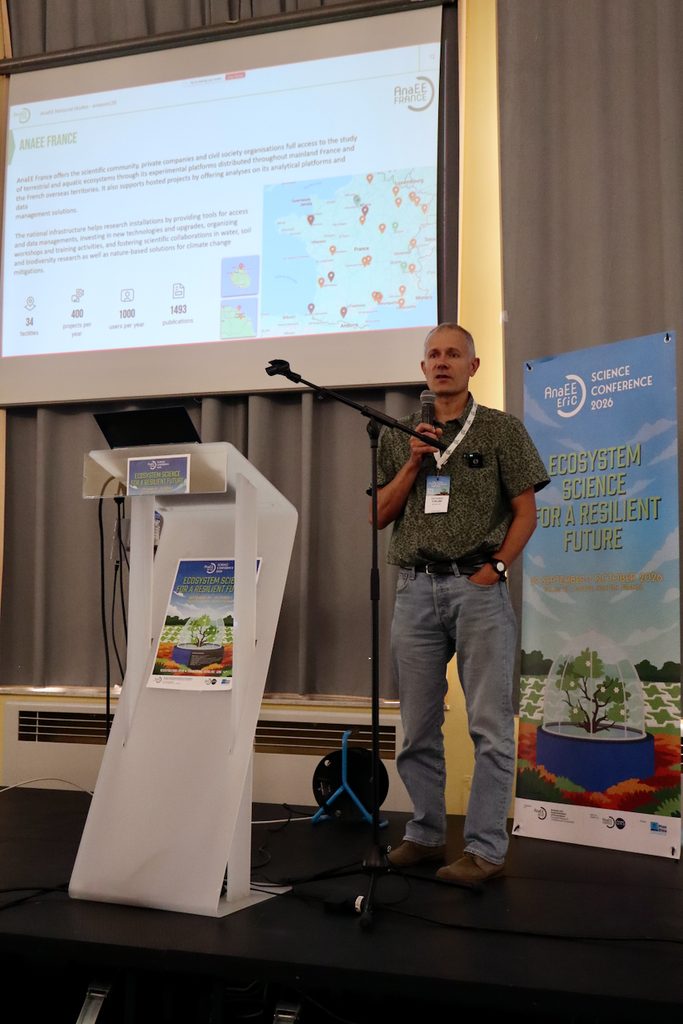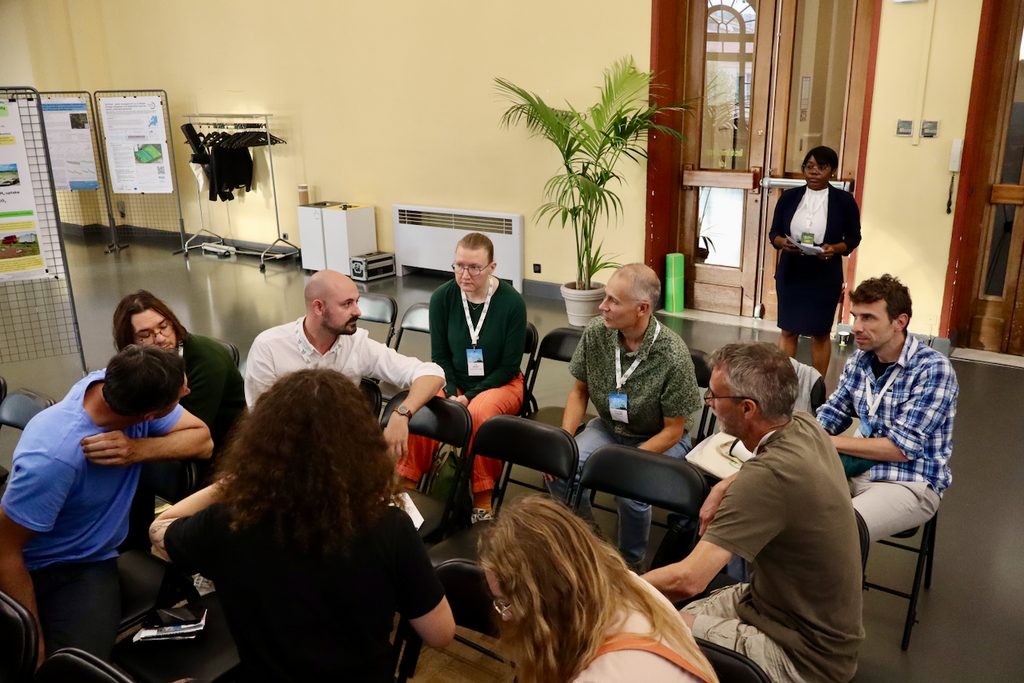
One room, three days, and the whole experimental ecology community talking to each other.
—— September 29, 2026. Menton, France
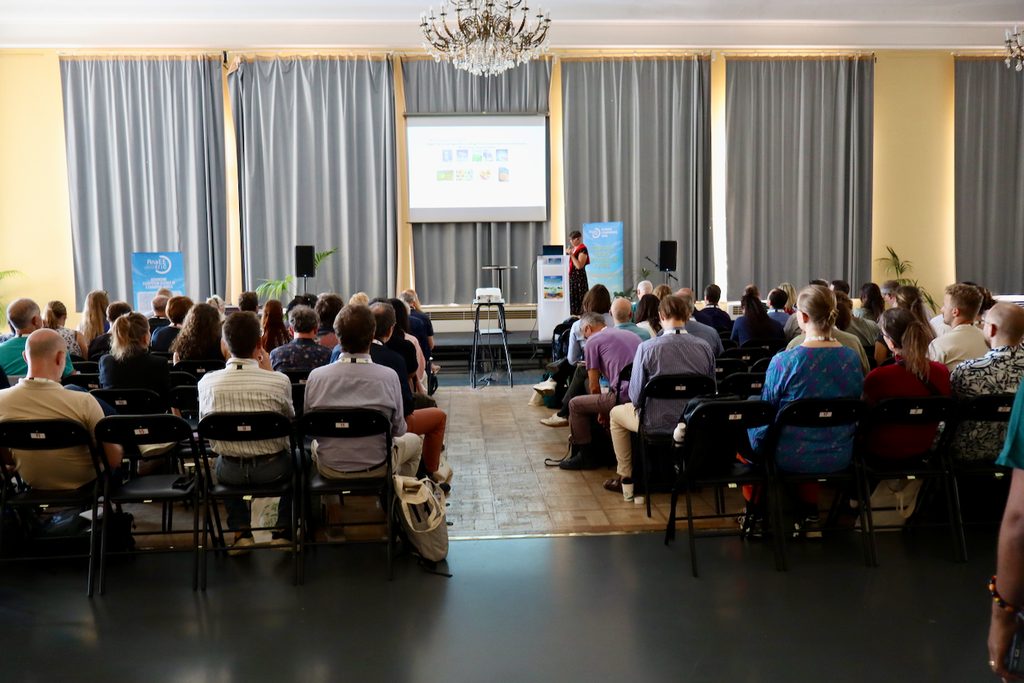
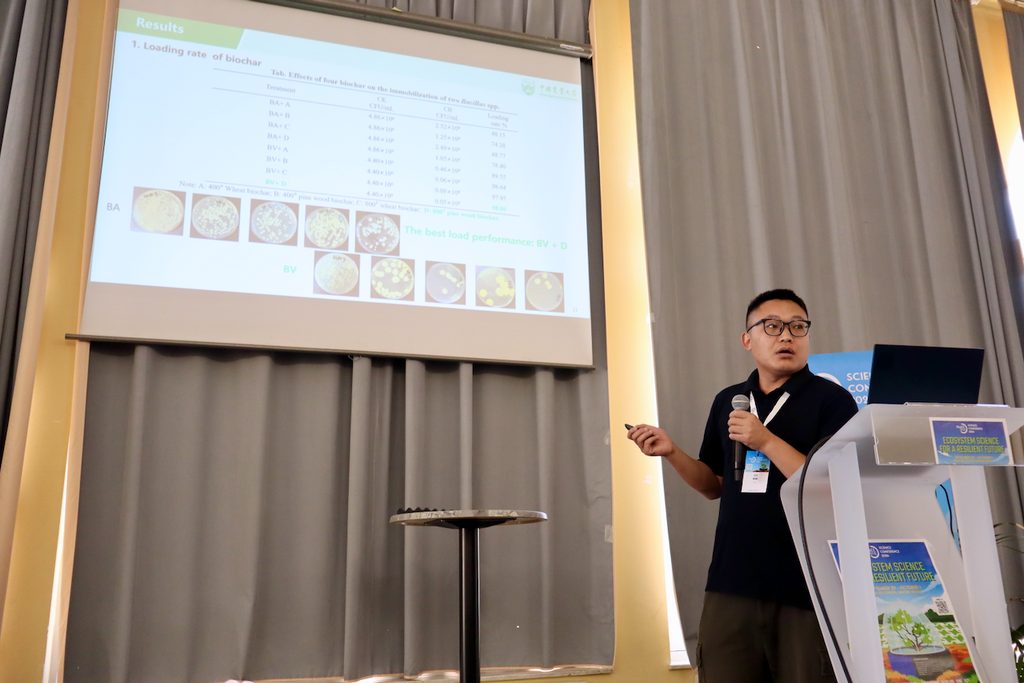
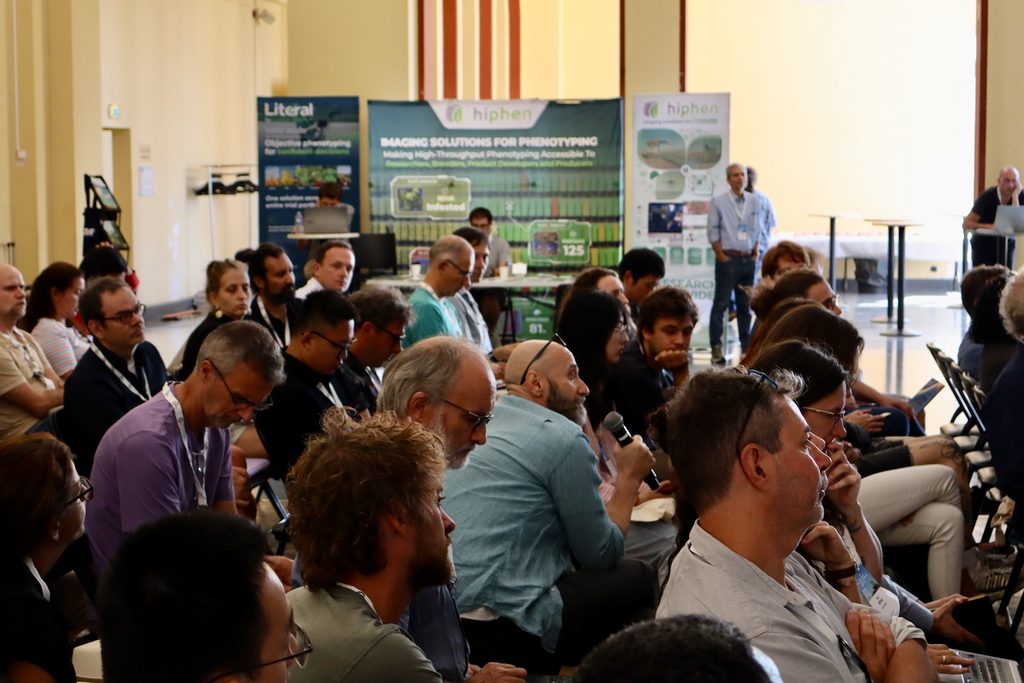
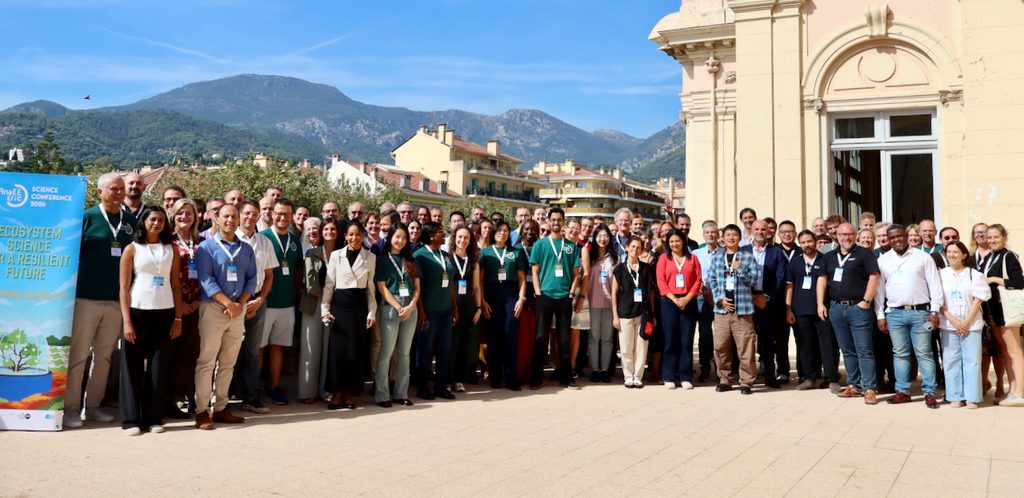
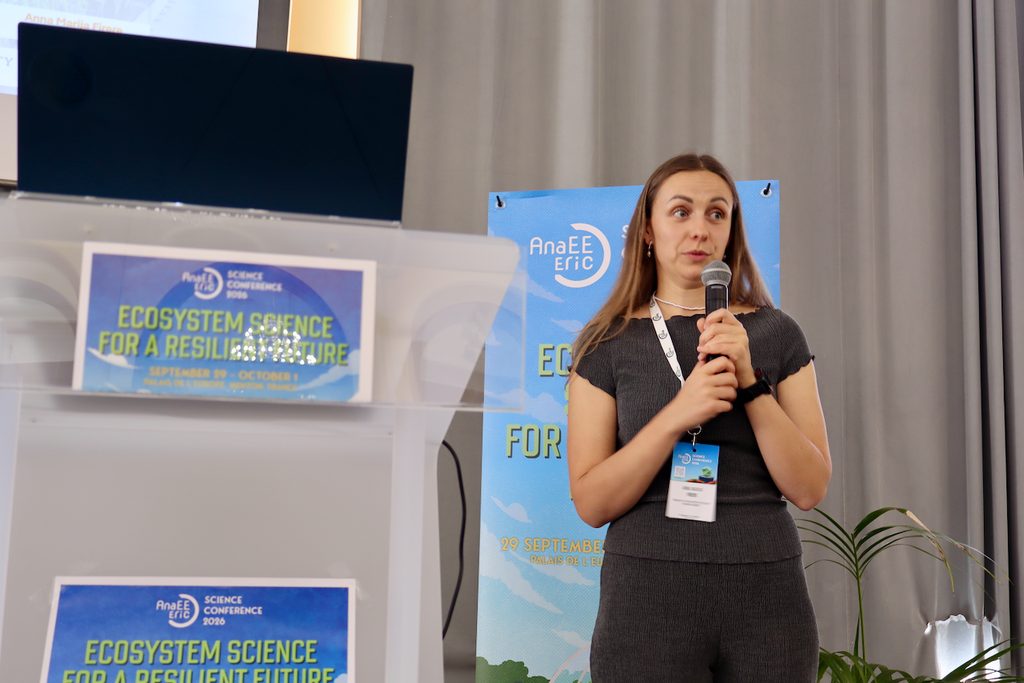
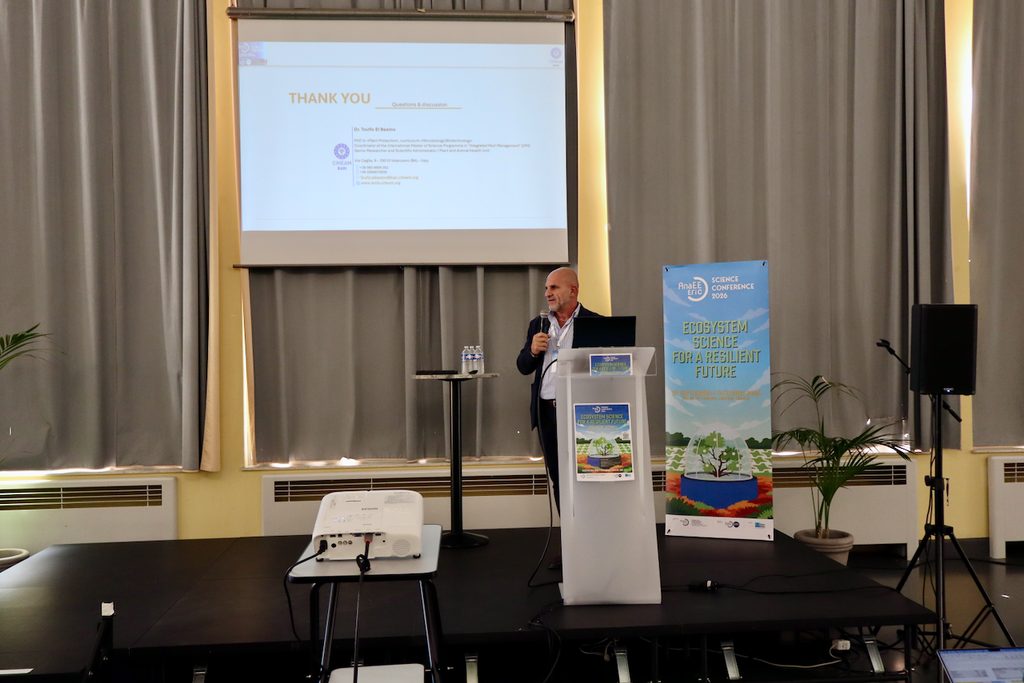
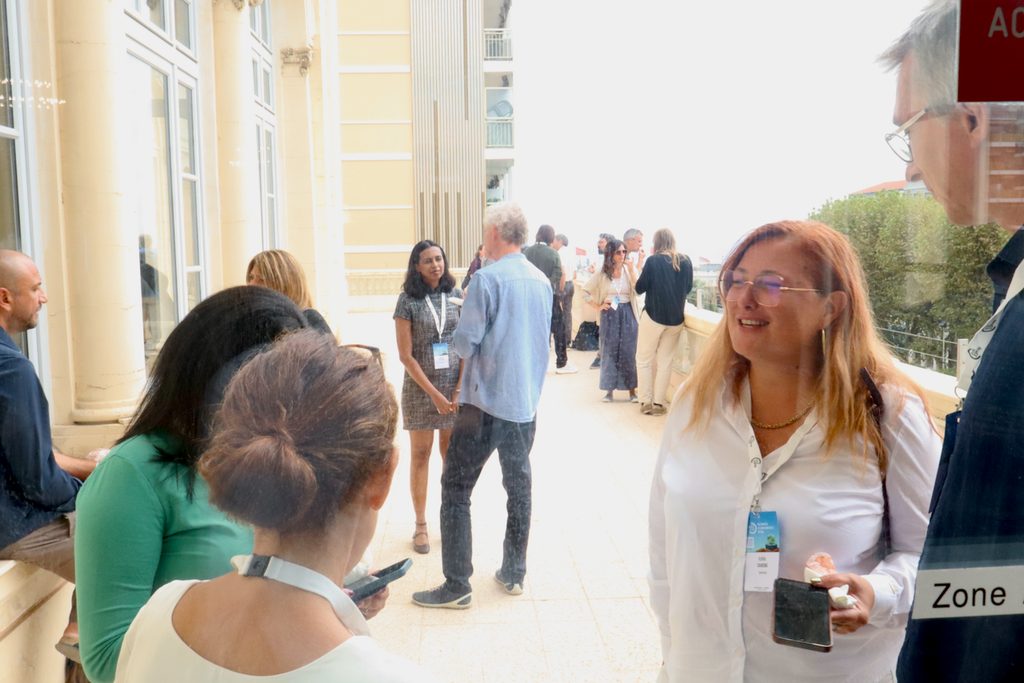
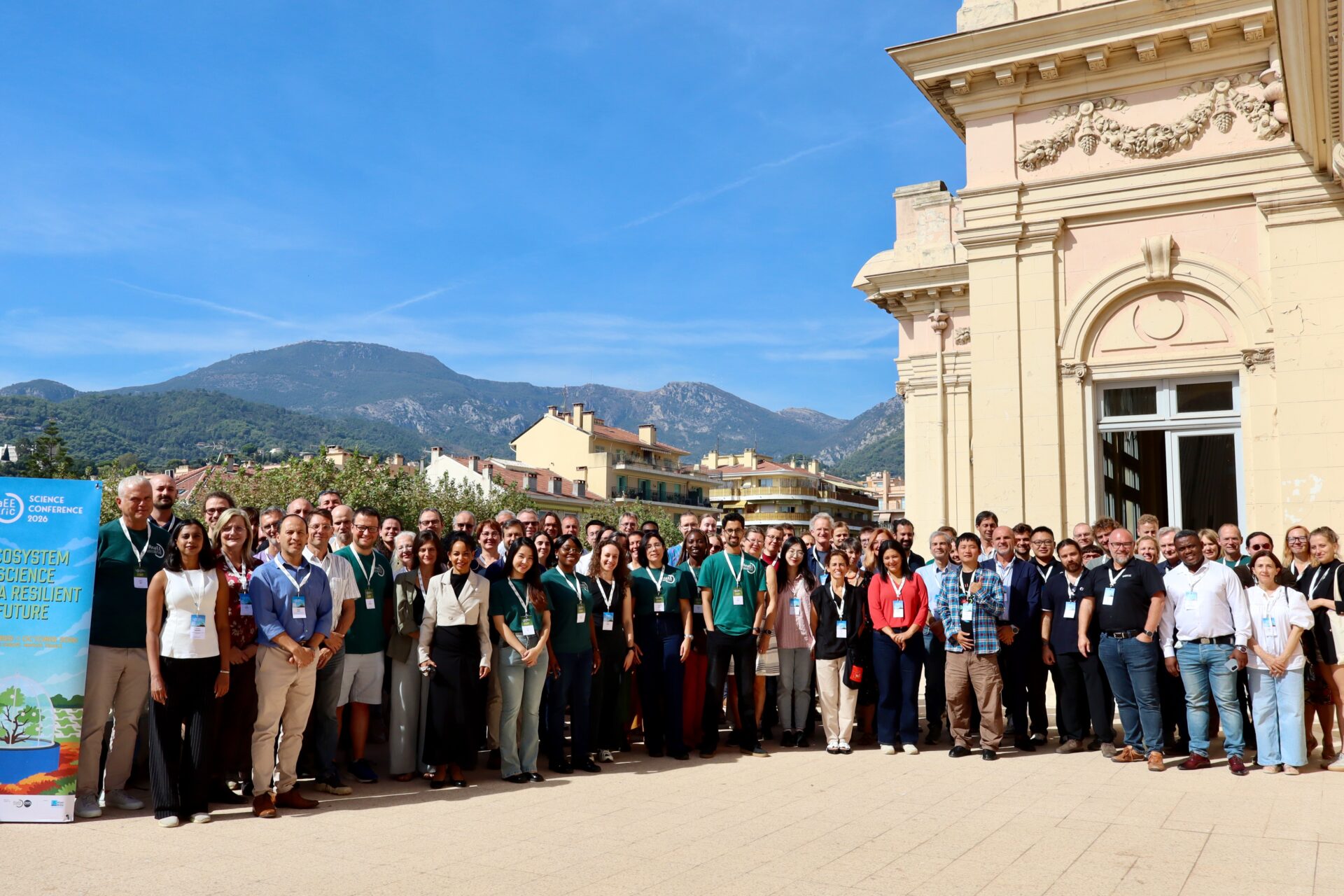
From 29 September to 1 October, the Palais de l’Europe in Menton became the place where experimental ecology research met. Facility managers, experimentalists, modellers, policy stakeholders and technology innovators spent three days sharing results, challenging each other’s ideas and planning what comes next.
Why this meeting matters
Experimental ecology is a field built on very different kinds of facilities: ecotrons, mesocosms, metatrons, open-air field experiments and long-term observation sites. The people who work with them rarely have one place to compare notes. The AnaEE Science Conference is that place. As far as we know, it is the biggest conference dedicated to experimental ecology research, and quite possibly the only one where this whole community can come together under one roof.
– AnaEE-ERIC is built on our facility managers and the scientists they support. Our activities build on their ambitions, work, involvement and engagement and they are at the core of this organisation.
Dr. Dorra Gharbi
Operations Officer & Central Access Manager, AnaEE-ERIC

More voices, more science
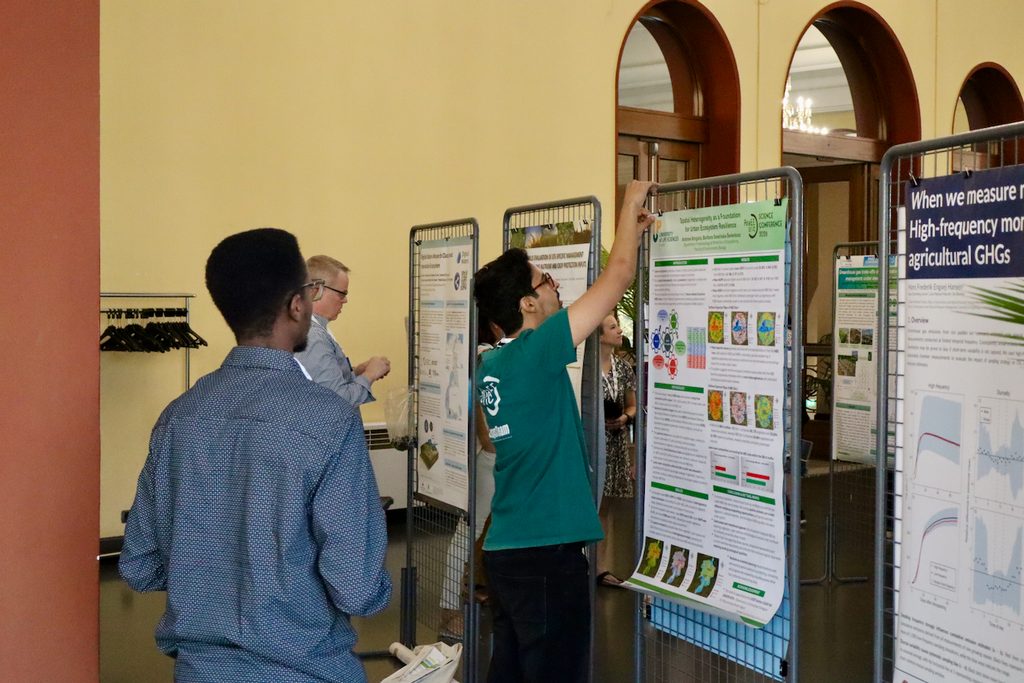
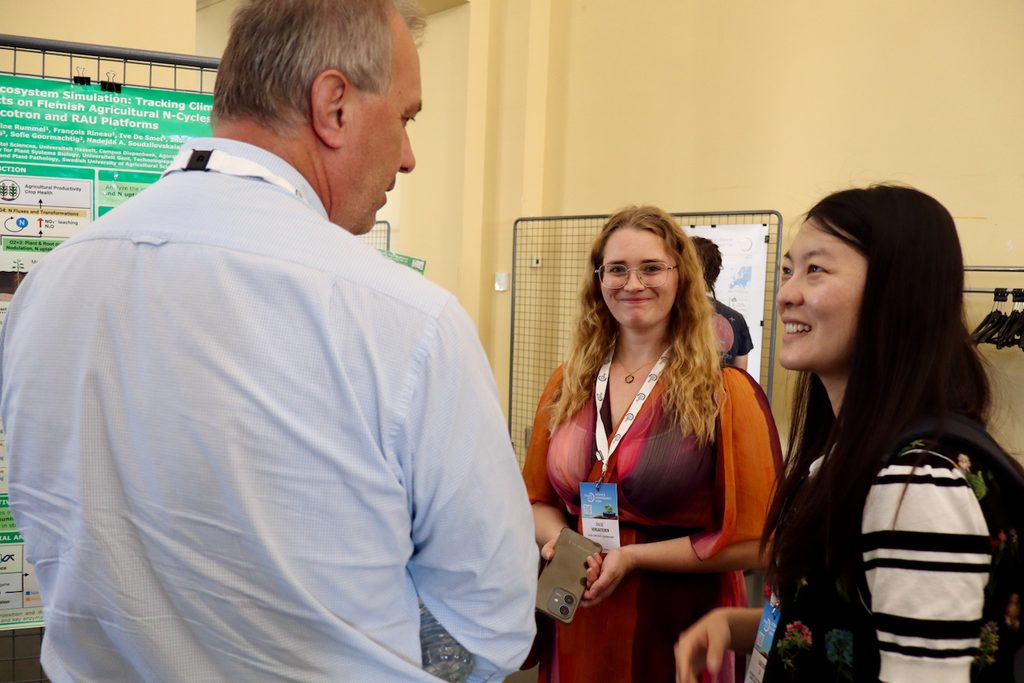
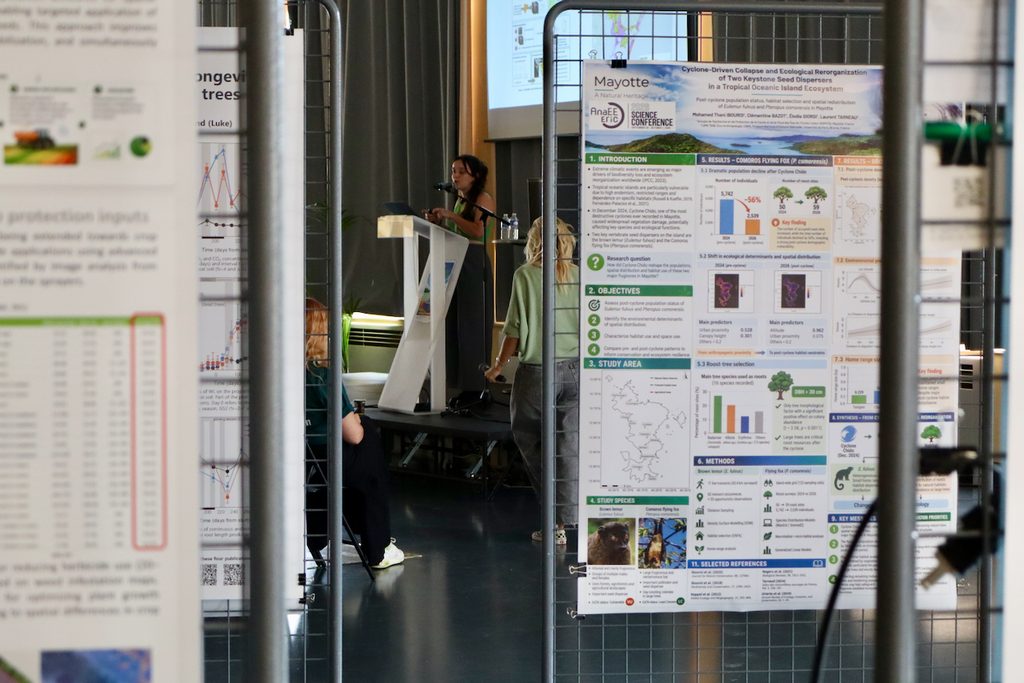
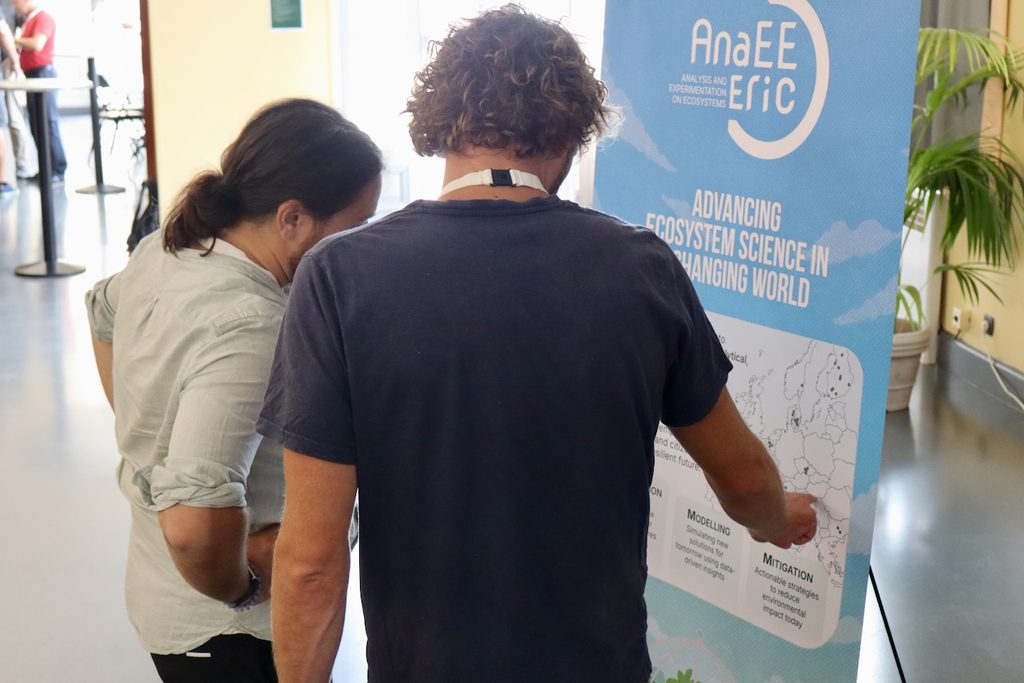
Compared with our first conference in 2024, the number of guests more than doubled, from 46 to 95. The programme also grew with it with 66 presentations in total divided between 38 oral presentations and 28 posters. The poster count quadrupled, a 300% increase on the 7 posters of 2024. Seven keynote speakers set the scene across the 7 scientific sessions.
Roughly half of our guests came from outside the AnaEE-ERIC affiliated institutions, and we are glad they did. Their questions and perspectives were a big part of what made the discussions so good. The German broadcaster ARD also joined us disseminating to a wide audience interested in science news.
Day 1: Resilience in a changing world
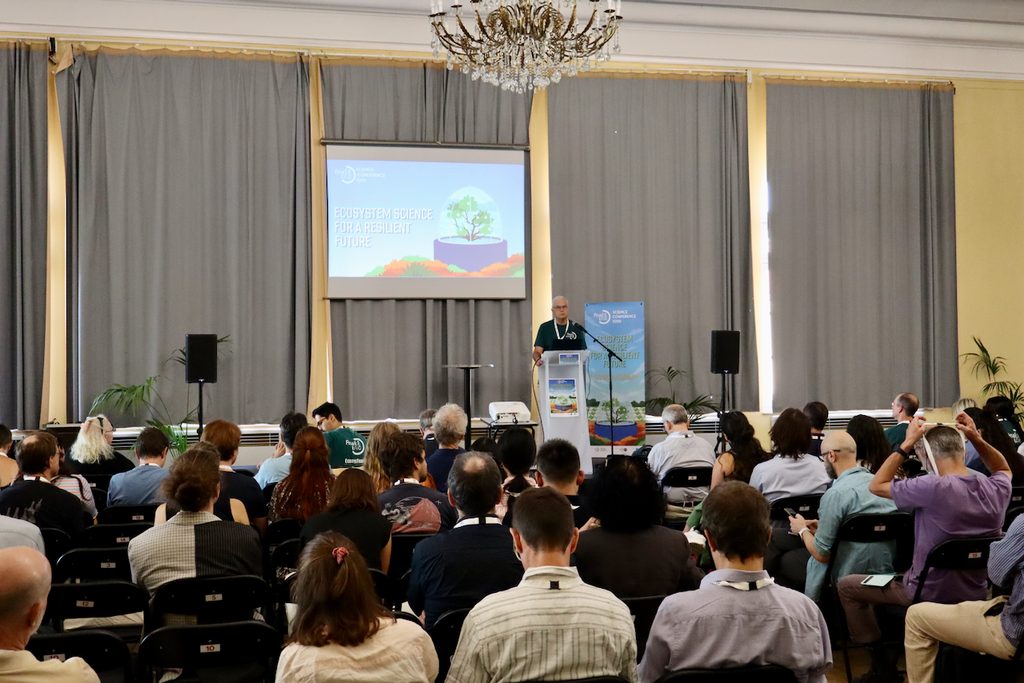
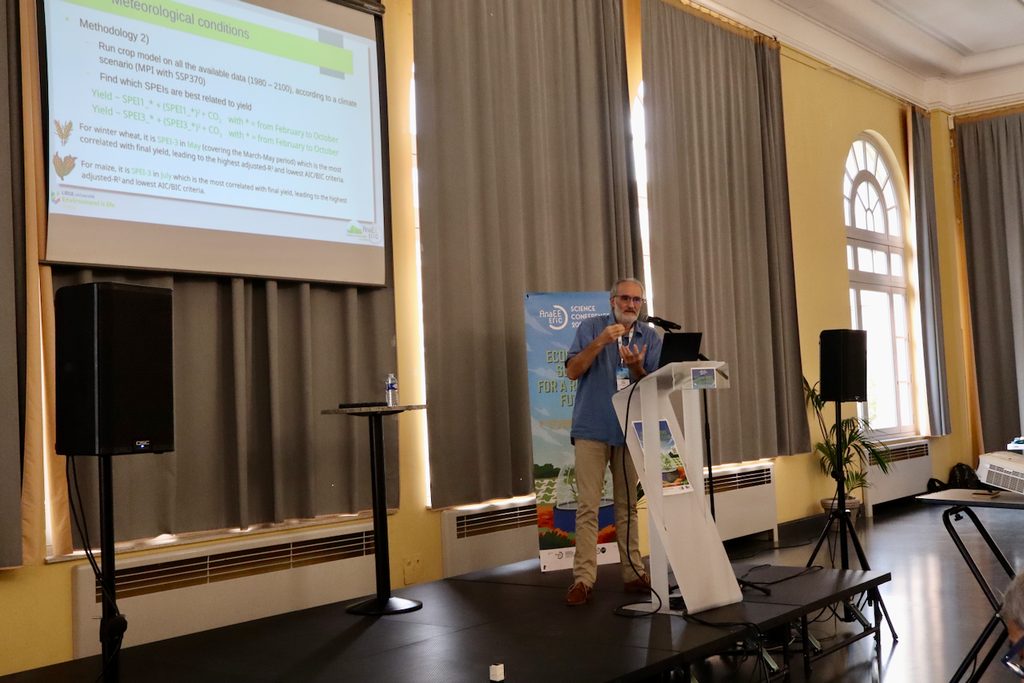
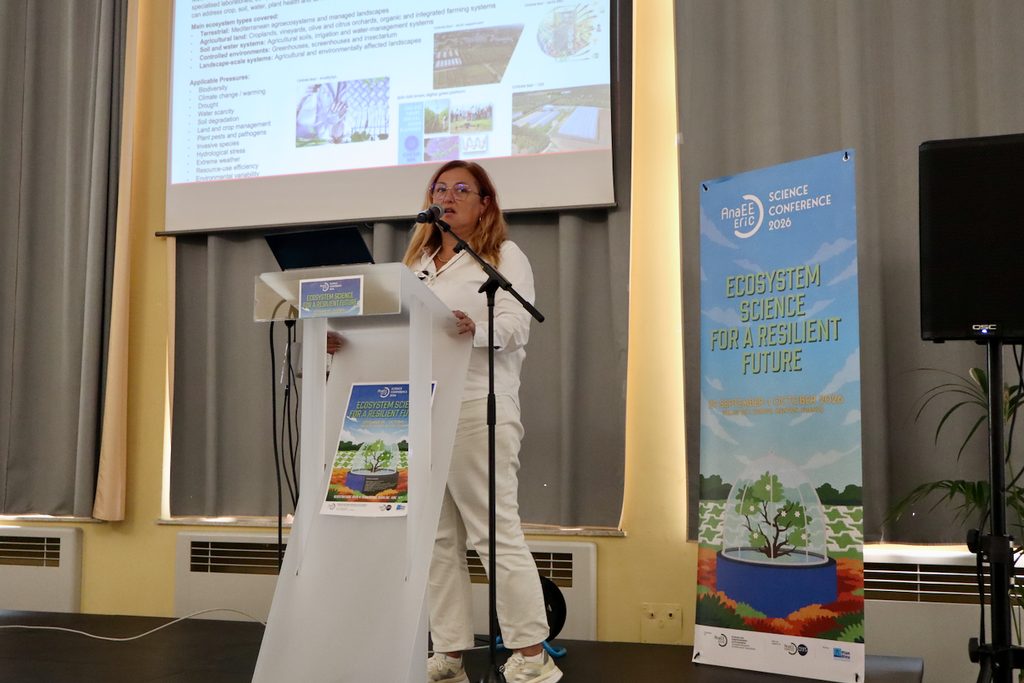
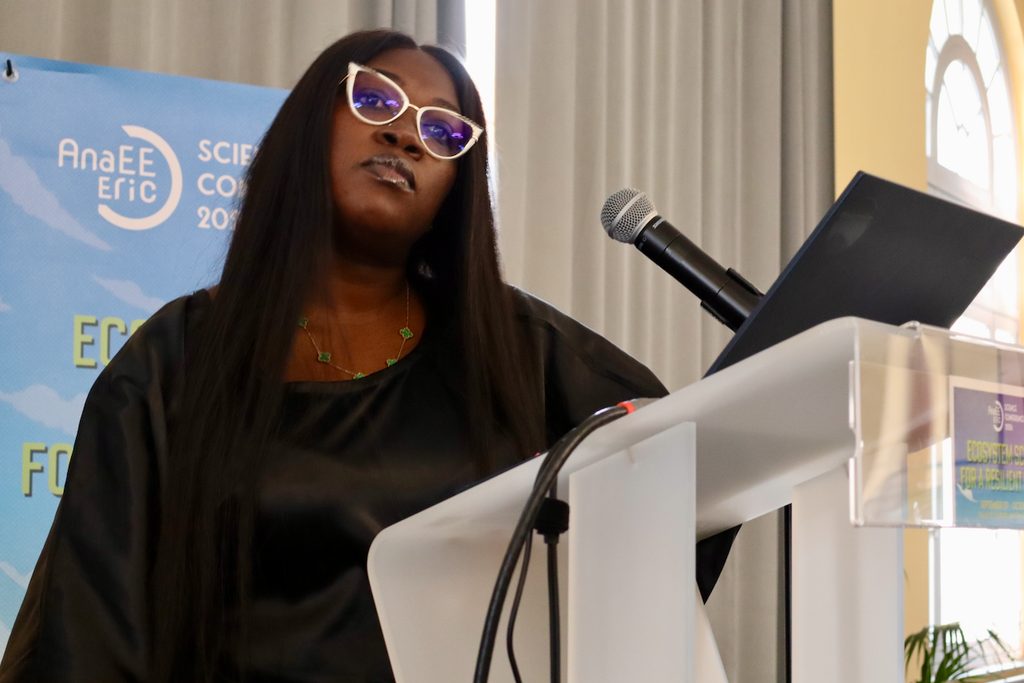
Our Director General, Michel Boër, opened the conference with a warm welcome, a look at the programme and the latest developments at AnaEE. Michael Bahn (University of Innsbruck) then gave the first keynote, “Ecosystem Resilience in a Changing World.” With selected examples, he showed how ecosystem experiments have deepened our understanding of what helps ecosystems withstand drought, and he closed with conclusions on the potential and the limits of boosting resilience. Ecosystems can bounce back, but they can’t do everything.
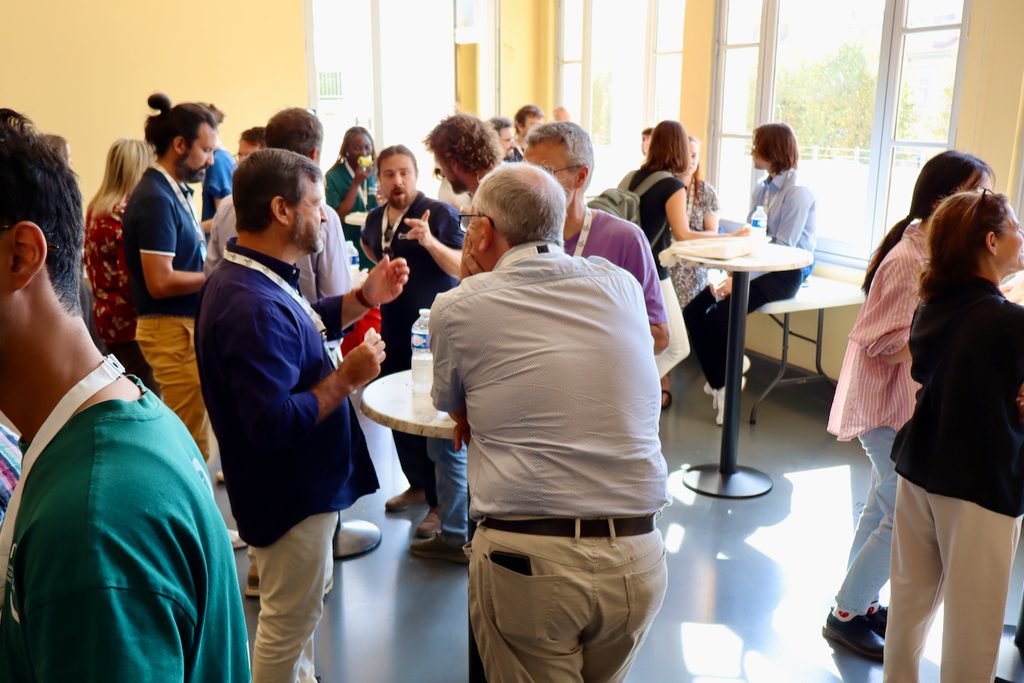
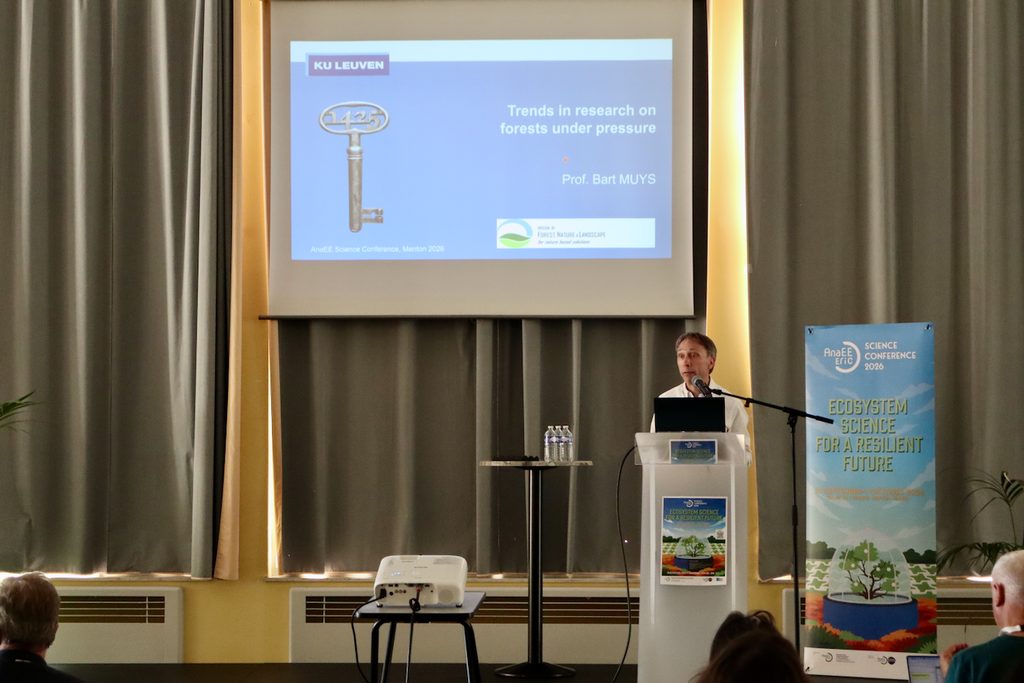
The day went on with sessions on sustainable agroecology and soil-plant systems and on forest ecosystems under pressure, and ended with an aperitif and poster viewing.
Day 2: Warm conversations, serious science
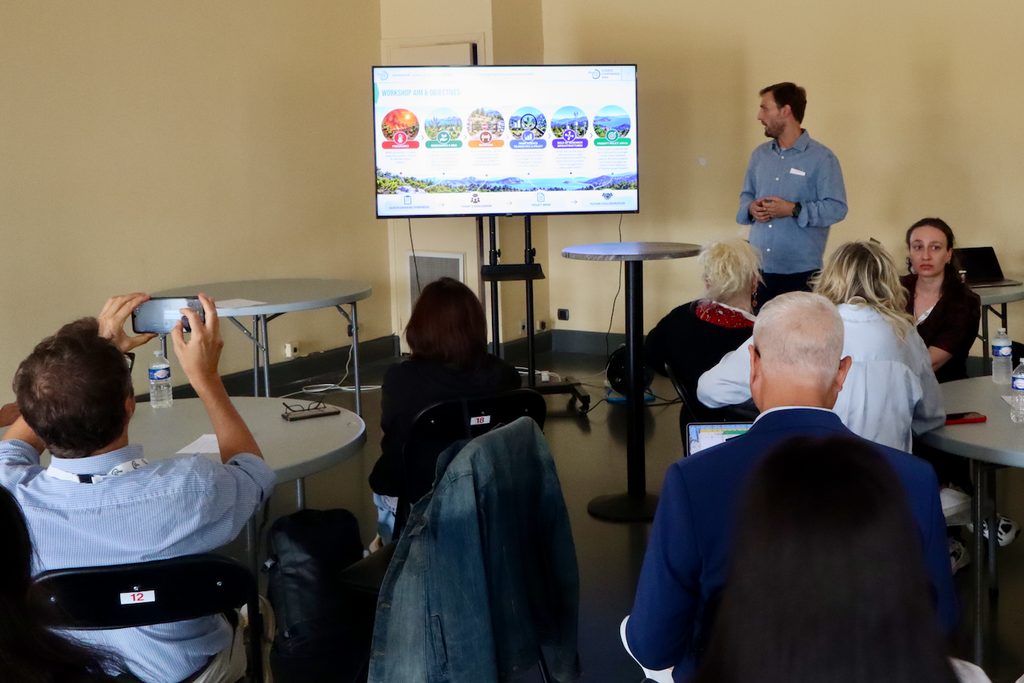
Day 2 was packed. Three workshops covered turning local datasets into interoperable resources, transnational access supporting agroecology and climate adaptation research, and translating ecosystem research into policy. Sessions on experimental approaches to global change ecology, nature-based solutions, and aquatic-terrestrial and coastal ecosystem interactions filled the gaps between them. The AnaEE Annual Network Summit on strategy and developments closed the programme, followed by the gala dinner at La Mandibule.
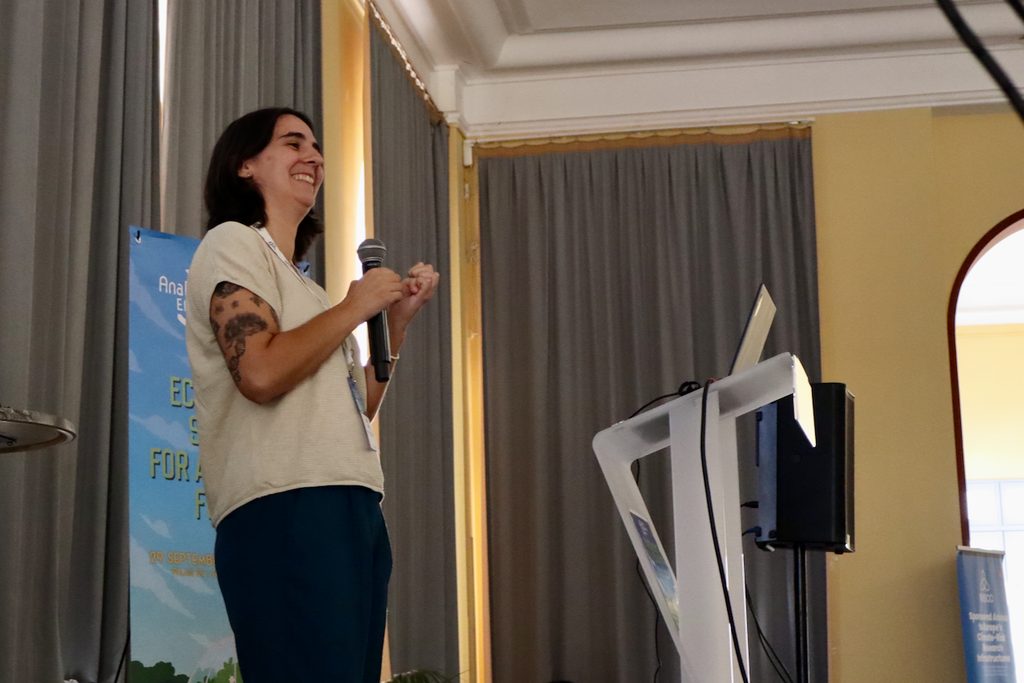
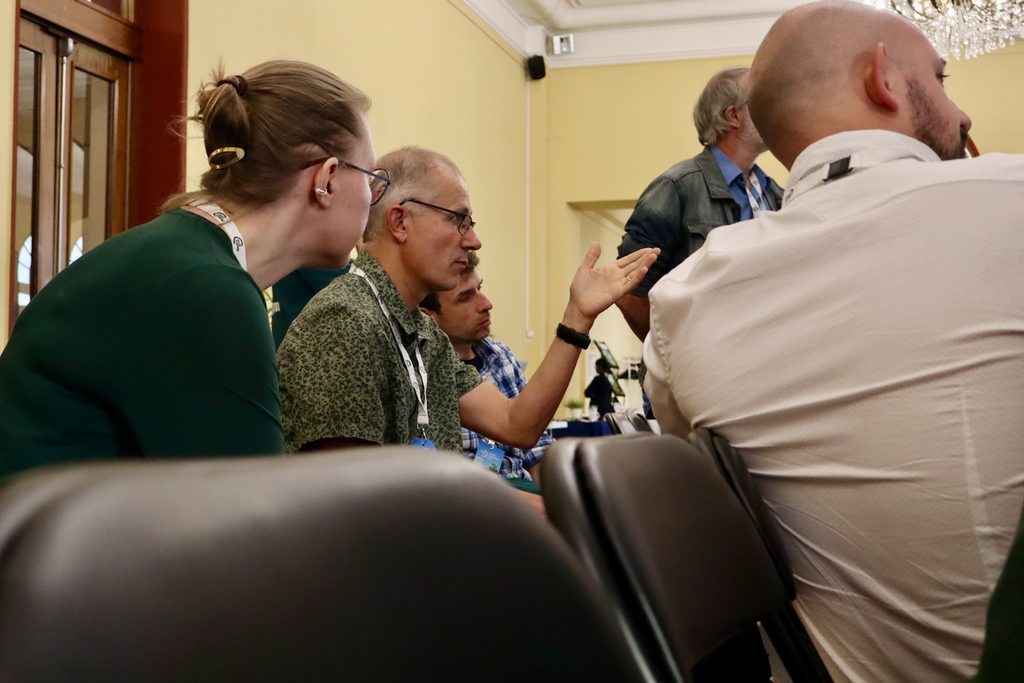
There was plenty of laughter, but the message was serious: climate change is here, and our scientists hold much of the knowledge that Europe and the world need to build resilience. Discussions on policy action around forest droughts were especially intense among our invited guests, and we sincerely thank them for their time, insight and engagement. This is the dialogue that moves research from the experimental plot to the policy table.
Day 3: Digital ecosystems, TechUp! and awards
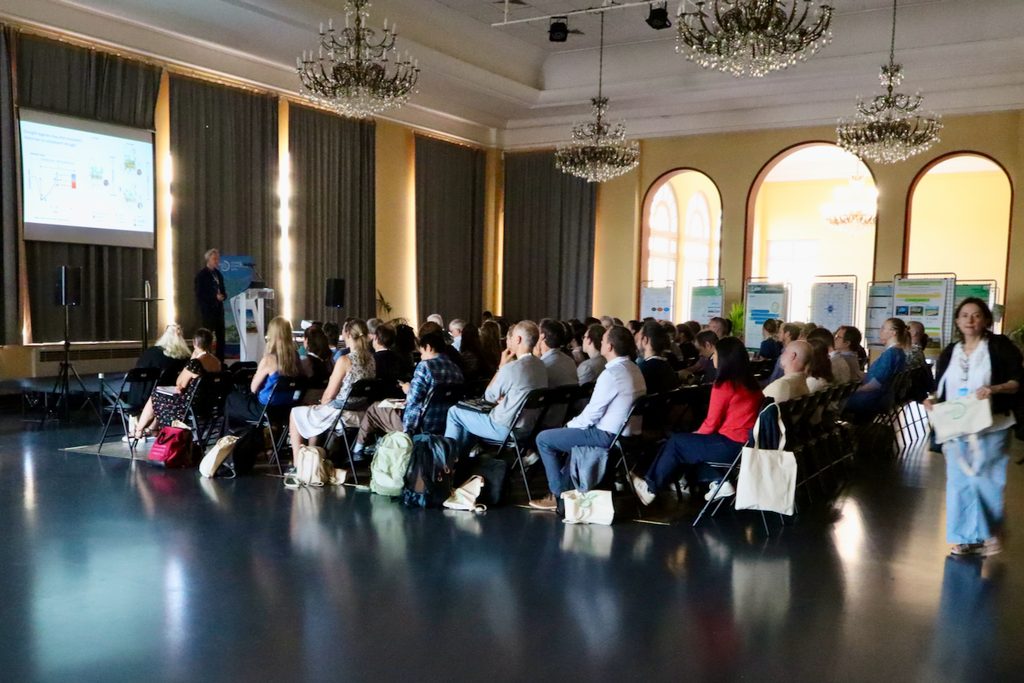
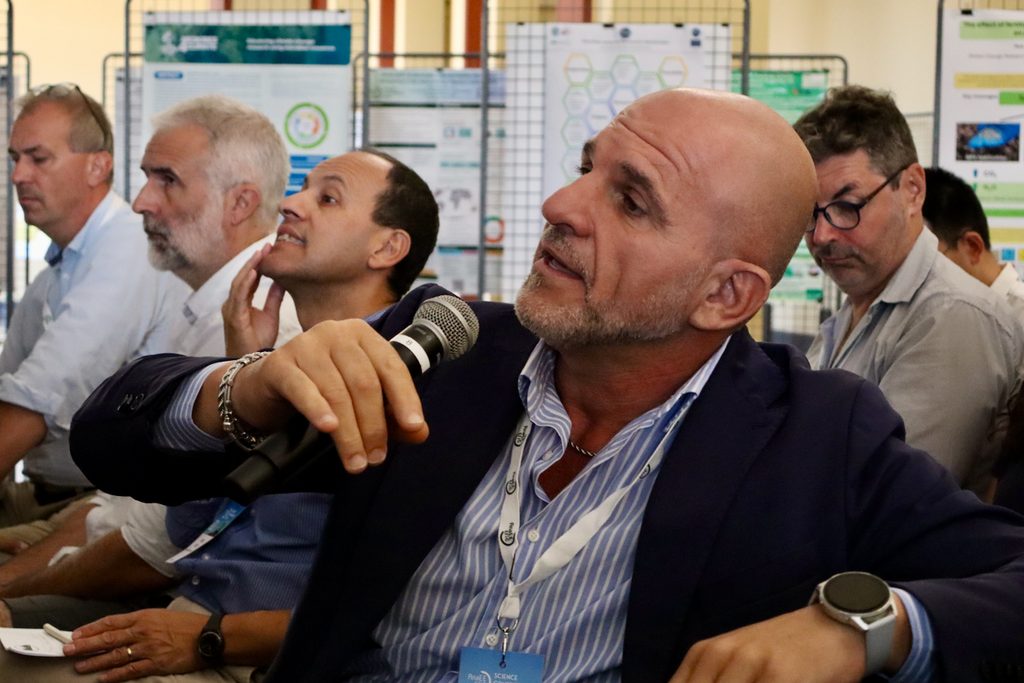
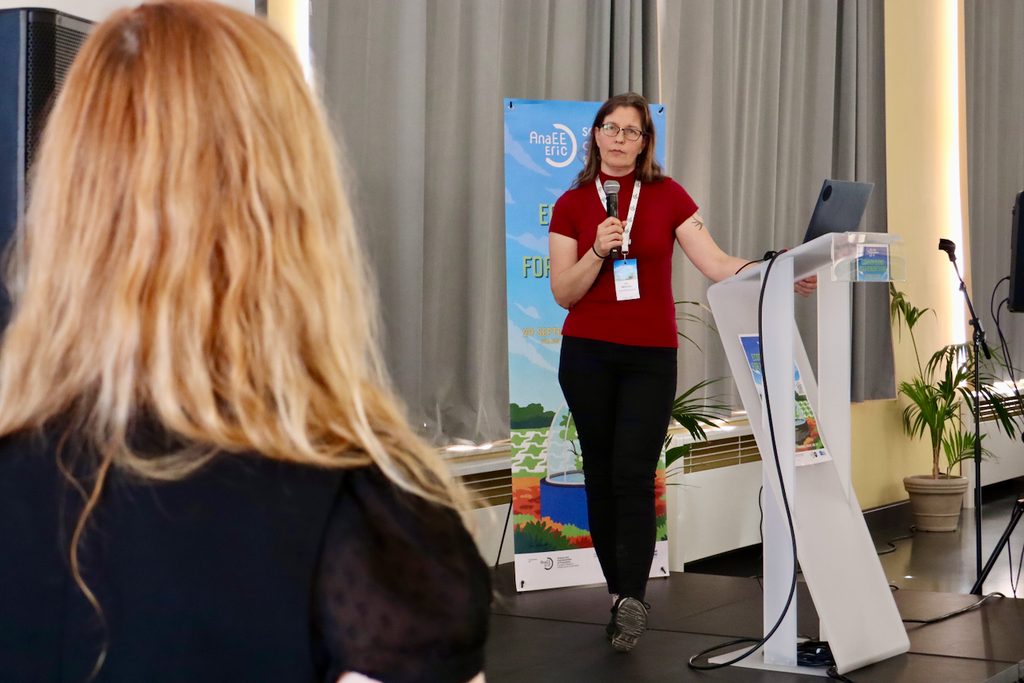
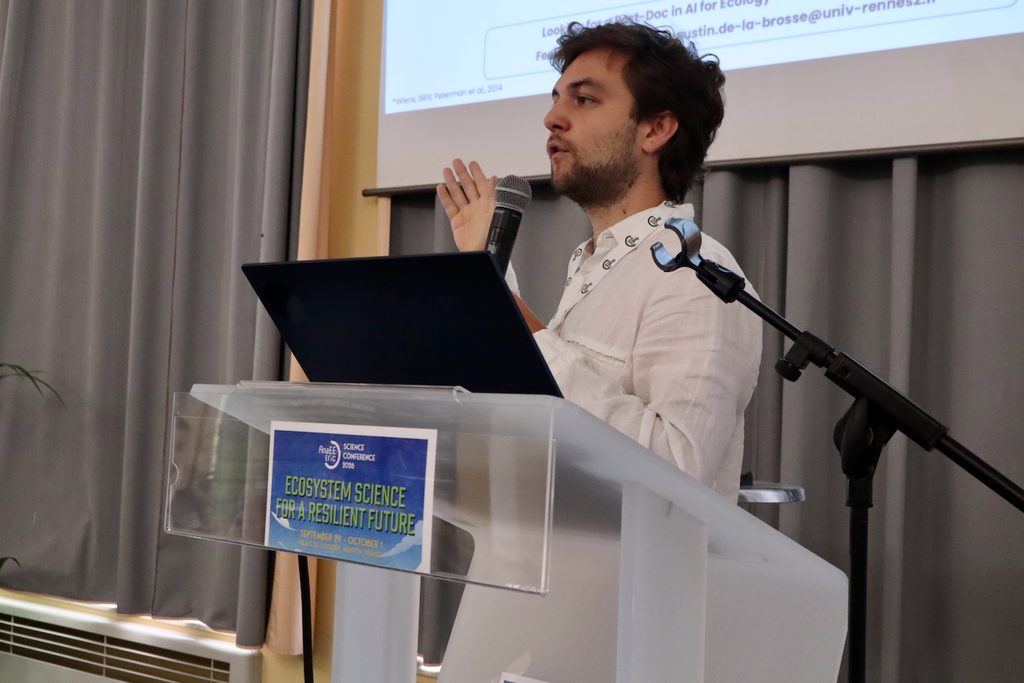
The final day opened with digital ecosystems, data integration and modelling. Federica Mandreoli (University of Modena and Reggio Emilia) took us on a journey through Transferring Intelligent Assistant Concepts to Ecosystem Research Infrastructures and sparked many raised hands and questions.
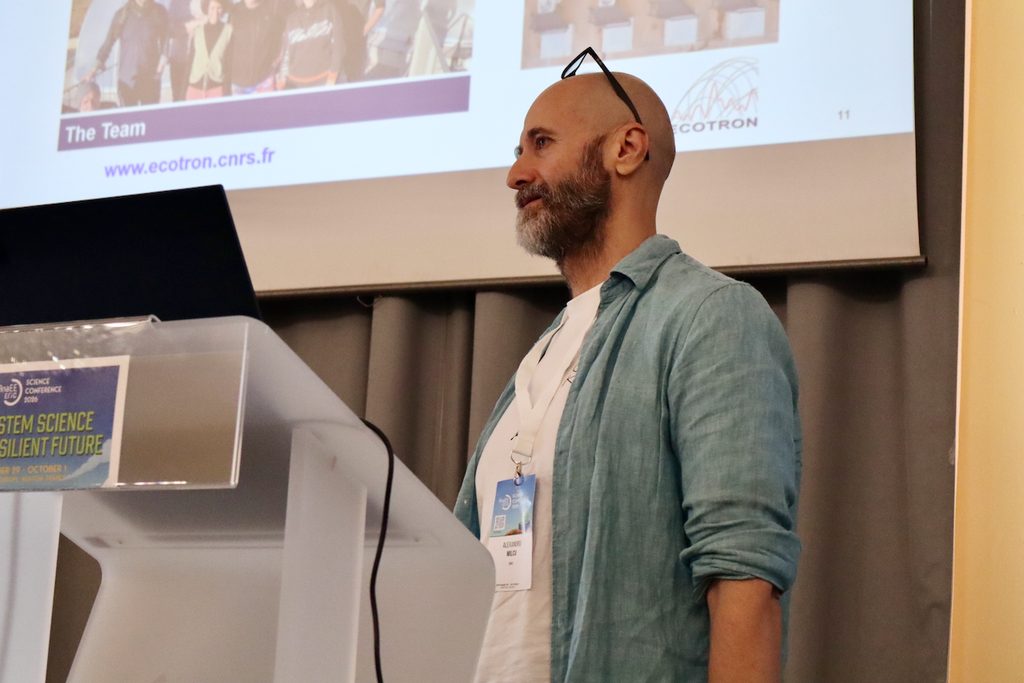
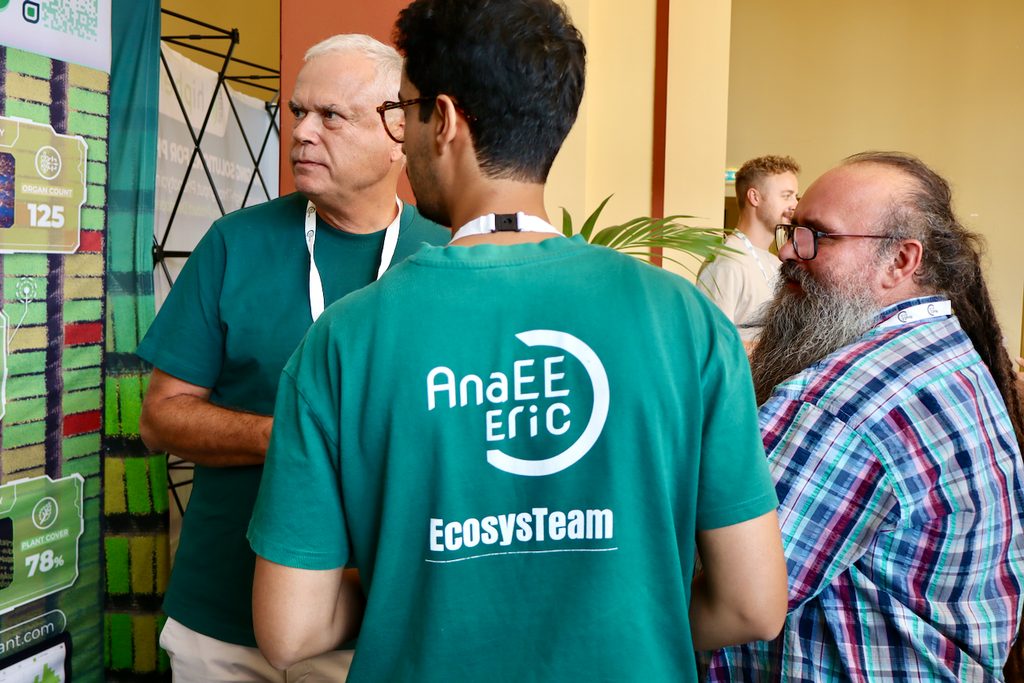
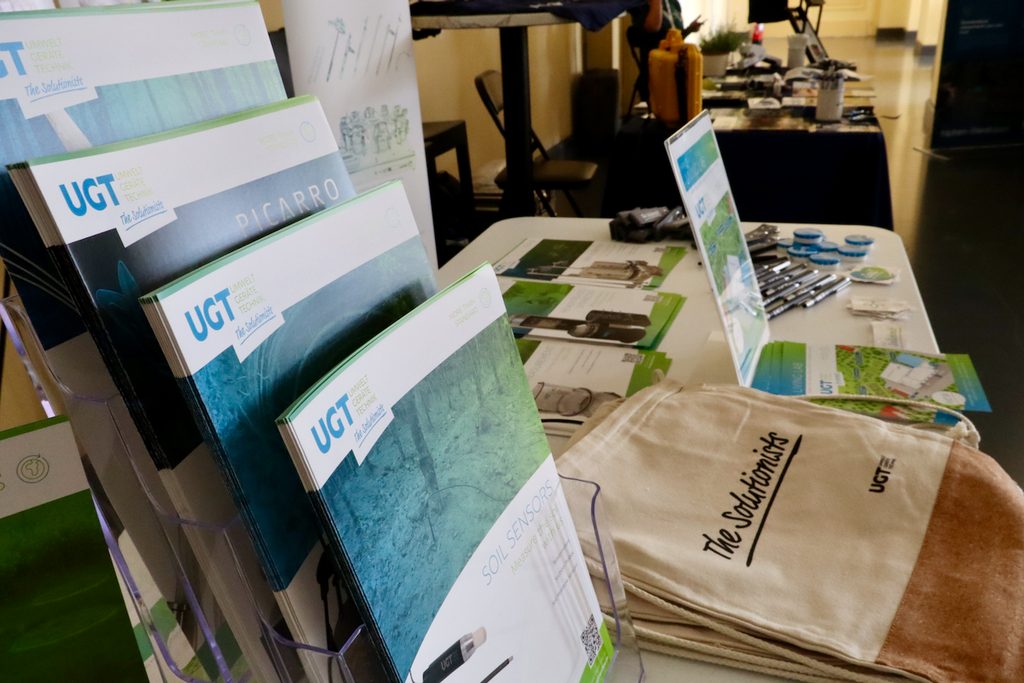
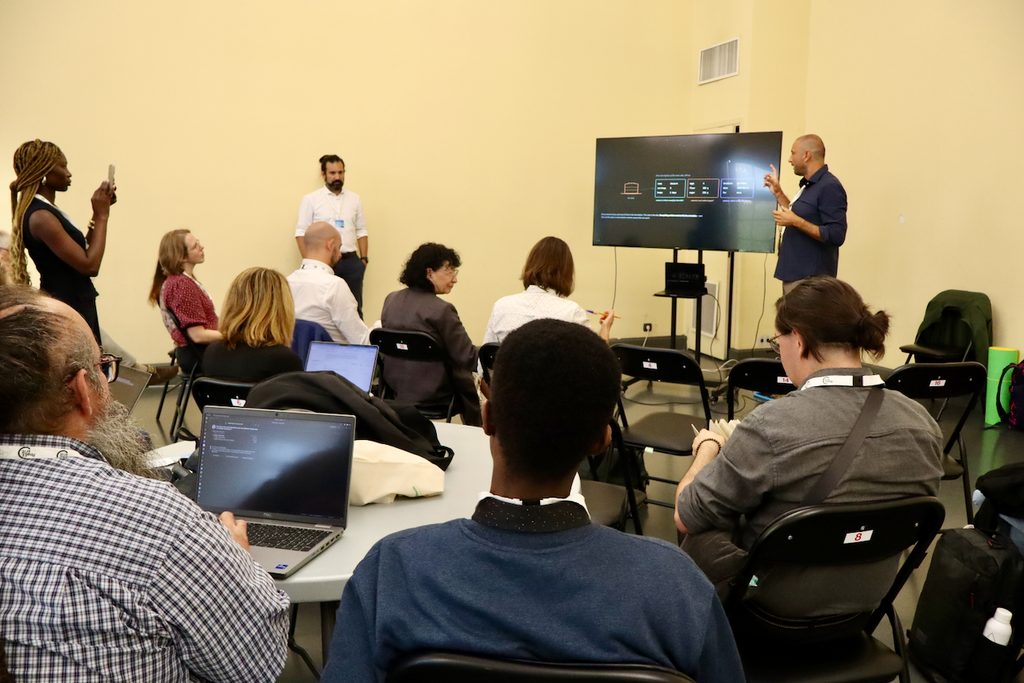
TechUp! then went live. Our Technology Centres’ TechUp! webinar series usually brings innovative companies closer to the research community online, and this year we tried it face to face. Three companies showed technologies spanning remote sensing, plant phenotyping, environmental monitoring, soil measurements and smart sampling, connecting science, technology and innovation in person.
Congratulations to our awardees
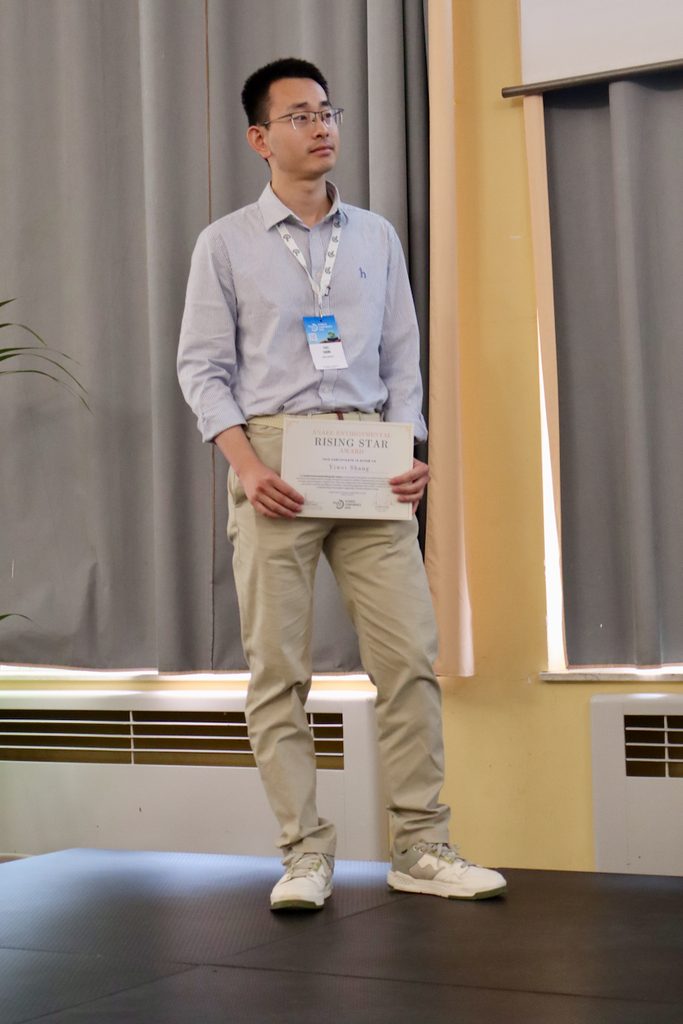
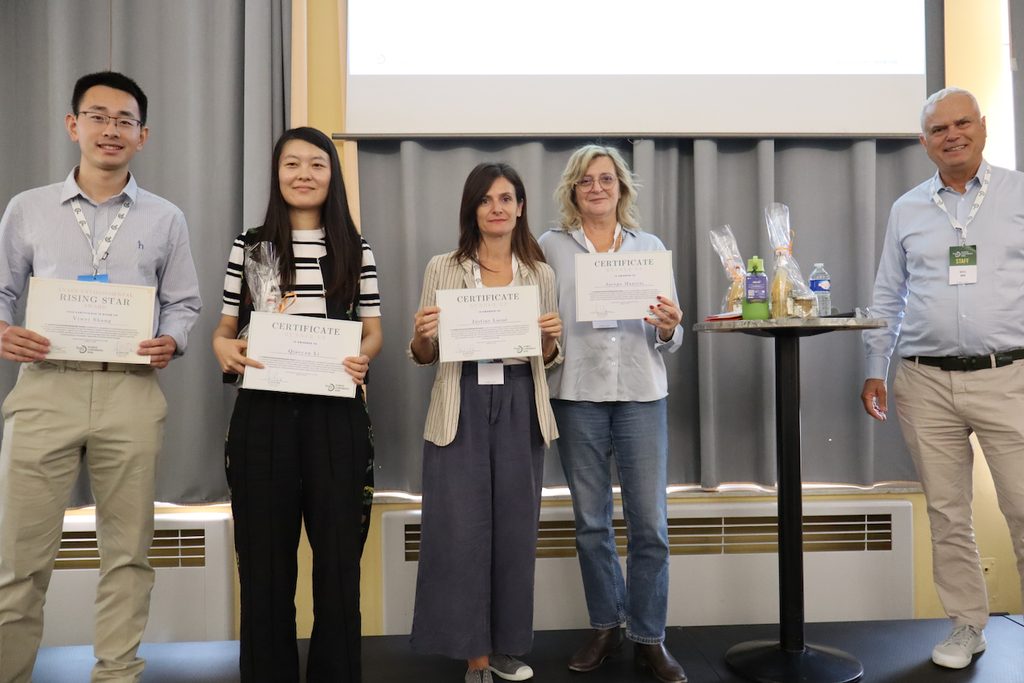
This year we handed out our first AnaEE Environmental Rising Star Award, you can read the full interview with the winner here. Due to the high quality of the abstracts the Science Committee also chose three runners-ups.
RISING STAR WINNER
- Yiwei Shang, Arhus University (Denmark)
- Understanding soil carbon sequestration through perennialization: insights from long-term experiment and methodological evaluation (link)
RISING STAR RUNNER UP
- Qiaoyan Li, Department of plant and environmental sciences, University of Copenhagen (Denmark)
- Long-term experimental insights into ecosystem resilience and carbon cycling under global change in a temperate Danish grassland/heathland (link)
- Justine Laoué, CNRS-IMBE-O3HP (France)
- Physico-chemical leaf defenses of Quercus pubescens in response to long-term amplified drought in the Mediterranean region simulated at the AnaEE O3HP experimental site (link)
- Jacopo Manzini, IRET-CNR (Italy)
- Combining Ozone Uptake and Leaf Structure to Improve Predictions of Ornamental Plant Responses to Tropospheric Ozone (link)
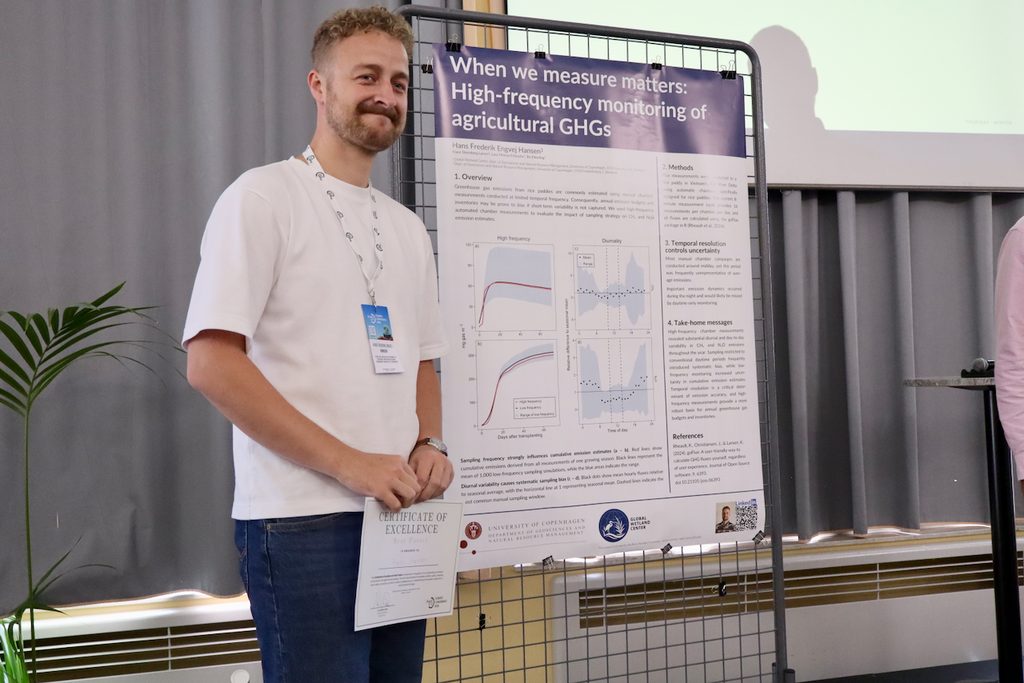
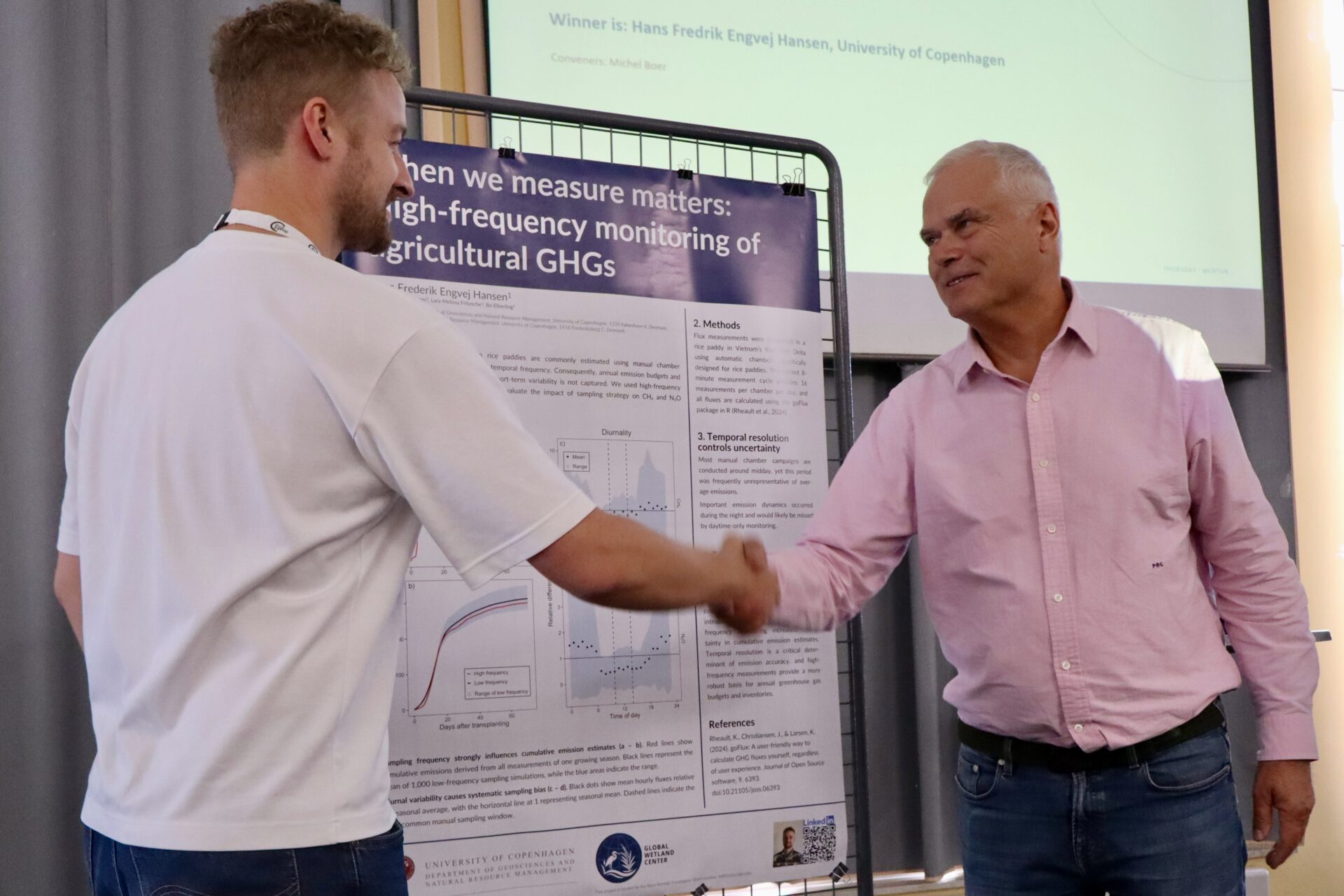
The Best Poster award, also selected by the conference science committee, went to Hans Frederik Engvej Hansen, University of Copenhagen (Denmark) for When we measure matters: High-frequency monitoring of agricultural GHGs (link). The judges were won over by a clear message, two convincing figures and a very clean layout. Congratulations to all of you, and thank you to everyone who presented their work.
_______________________________________________________________
Looking ahead: The meeting showed once more how important live interaction is. The organising team is already taking new ideas into the next conference in 2028, with more interactive sessions and more time for exchange, so that even more bridges can be built across borders and disciplines. Want to join us the next time? Subscribe to our newsletter that is also packed with funding opportunities, events and collaboration opportunities.
Conference Photo Gallery