the inverview #2
Combatting forest fires, air pollution and urban heat

Elena Ormeno’s research centers on understanding how forests get adapted to global change through production of numerous chemical defenses that are partly emitted but also stored in plant organs – eventually increasing plant flammability. The emissions are called biogenic volatile organic compounds (BVOCs) which participate in the formation of ground-level ozone and secondary organic aerosols (SOAs) after they have undergone complex chemical reactions with nitrogen oxides (NO, NO₂, released from traffic pollution mainly) under light condition.
This is not just an academic exercise; it has profound implications for air quality and climate regulation at global scale, and also affects urban spaces since BVOCs are highly flammable compounds. When Elena began her PhD, the study of plant volatile defenses was limited by the technology available. Data collection was manual and at low-time resolution. However, the early 2000s saw the advent of Proton Transfer Reaction Mass Spectrometry (PTR-MS), a groundbreaking tool that allowed for continuous, high-resolution monitoring of BVOCs.
“During my PhD, we collected data manually once every hour. Now, we collect them every second, day and night, and we check-up for emissions during the field campaign, Elena explains.”
This technological leap has enabled researchers tovobserve and understand plant responses to environmental stress in real time.
A journey through diverse ecosystems
Elena’s career has taken her from studying natural ecosystems in Europe to agrosystems in California at the University of Berkeley, with a focus on canopy and litter (leaves decomposing on siol), and even to examining BVOCs released by bacteria essential for plant growth. Her work at CNRS in France since 2010 has focused on the long-term impacts of environmental stressors on BVOC emissions and other plant defenses.
Elena’s work has broad applications. By studying the sources (canopy, litter) of biogenic VOC, the factors that modulate their emission and by identifying the major BVOC emitters, we can better manage air quality, mitigate the associated health risks and prevent fire intensity, both in natural ecosystems and in the wildland-urban interfaces where fire risk has dramatically increased.
In cities and peri-urban spaces,it is well known that O3 regulation cannot be achieved by limiting NOx production from traffic alone. Instead, both NOx and VOC regulation are required
This is of special relevance in the current context of urban greening in major cities where planting plant species with a major capacity to release BVOCs could be detrimental for air quality in terms of O₃ and aerosol formation
Additionally, aerosols formed from these compound play a role in climate regulation by affecting cloud formation and sunlight scattering. This knowledge is crucial for developing accurate climate models.
The role of AnaEE-ERIC
Elena credits AnaEE-ERIC, which offers the possibility of responding to numerous European calls targeting long- term research infrastructures. These projects provide significant funding to maintain and homogenise long- term measurements in the network and connect with other ERIC networks.
“This is crucial for us researchers. Changes in undisturbed, natural ecosystems don’t occur in the first- five years but start after seven years on average and continue evolving. Permanent funding is vital for capturing these long-term trends, she says. Elena can’t pinpoint where her interest in science came from, but as a child she already spent her monthly allowance on subscriptions to scientific journals.
Today, she emphasizes the importance of communicating scientific findings to the public and inspiring young people to pursue careers in science. She regularly gives talks in public schools and media to highlight the relevance of environmental research.
Balancing urgency and optimism
Despite the pressing nature of climate change, Elena remains optimistic, quite a rare approach when lookingat the average response in the Guardian survey on climate scientists where the overwhelming feelings were fear and frustration.
I don’t get anxious because I prefer to think there are still solutions or at least ways to mitigate the changes that are coming. When I give lectures, my mission is to educate people about the critical interactions in nature, the services different ecosystems provide and the importance of biodiversity to mitigate air quality and fire risk without adding to their anxiety, she says.
Elena Ormeno’s work exemplifies how dedicated research can lead to a deeper understanding of complex environmental processes and inform strategies to address pressing ecological and public health challenges.
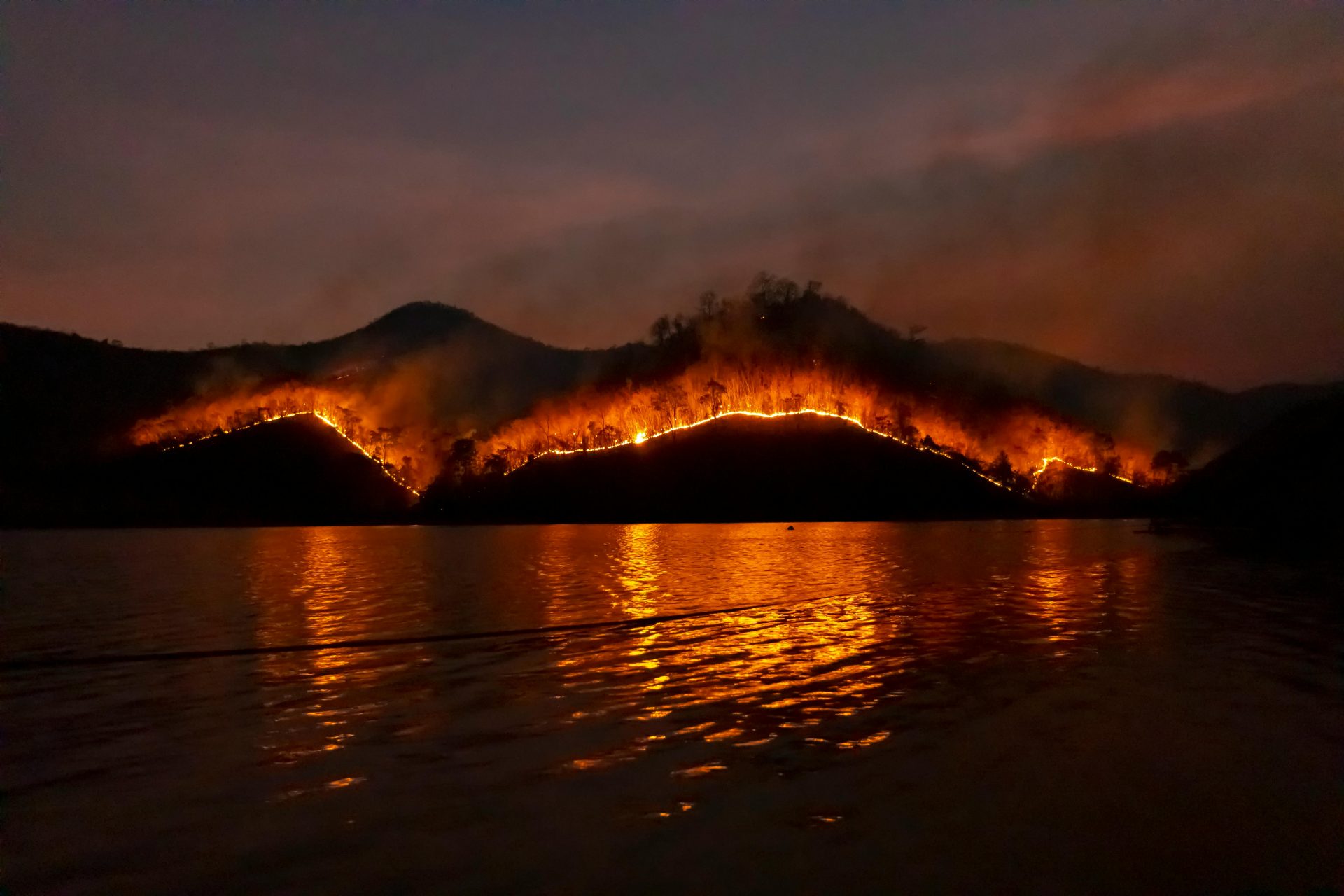
Elena Ormeno’s research extends to the critical issue of forest fires. There is a paradoxical relationship: when plants are stressed by heat and drought, they accumulate defence compounds, and these changes increase the risk of fires since many of them are flammable, increasing
vegetation flammability. While some species thrive in fire- prone environments, others suffer greatly.
The solution: biodiversity
Elena advocates for biodiversity as a key strategy in managing forest fires and promoting resilient ecosystems Mixing, mixing, mixing – it’s important in nature.
Monocultures and clones are vulnerable to global change and associated pathogen damage, but diverse plantings can mitigate these risks. For instance, oak trees are less flammable than pine trees, making them a strategic choice in fire-prone areas. By integrating a variety of species, we
can create more fire-resistant landscapes, she says.
Doubling the trees to 300.000 in Marseille
Elena emphasizes the importance of translating research into practical policies. She underscores the need for transdisciplinary collaboration for urban greening planning. This allows combining the socio-economical policy situation, such as budget, available areas, tree maintenance costs, and fundamental knowledge like plant structure, pest resistance, tree flammability and the tree’s capacity to release BVOC. This holistic approach ensures that the best combinations of species are selected for urban greening projects.
Even if she often encounters frustrating political and administrative barriers that can hinder effective action she remains hopeful thanks to the growing societal awareness and demand for greener cities.
The urgency of urban greening is particularly acute in Mediterranean cities like Marseille, which are becoming increasingly dry. Marseille is one of many cities that plans to get greener, and aims to double its trees to 300,000 within four years. But considering that these are
increasingly dry and hot areas it’s important to select a diversity of species well adapted to Mediterranean climate.
A call to action
Elena Ormeno’s work is a compelling reminder of the intricate links between ecology, climate, and human well- being. Her advocacy for biodiversity, interdisciplinary collaboration, and informed policymaking is crucial for creating resilient and sustainable urban and natural environments.
By bridging the gap between scientific research and practical application, she is helping to pave the way for greener, cooler, and more resistant socio-ecosystems.
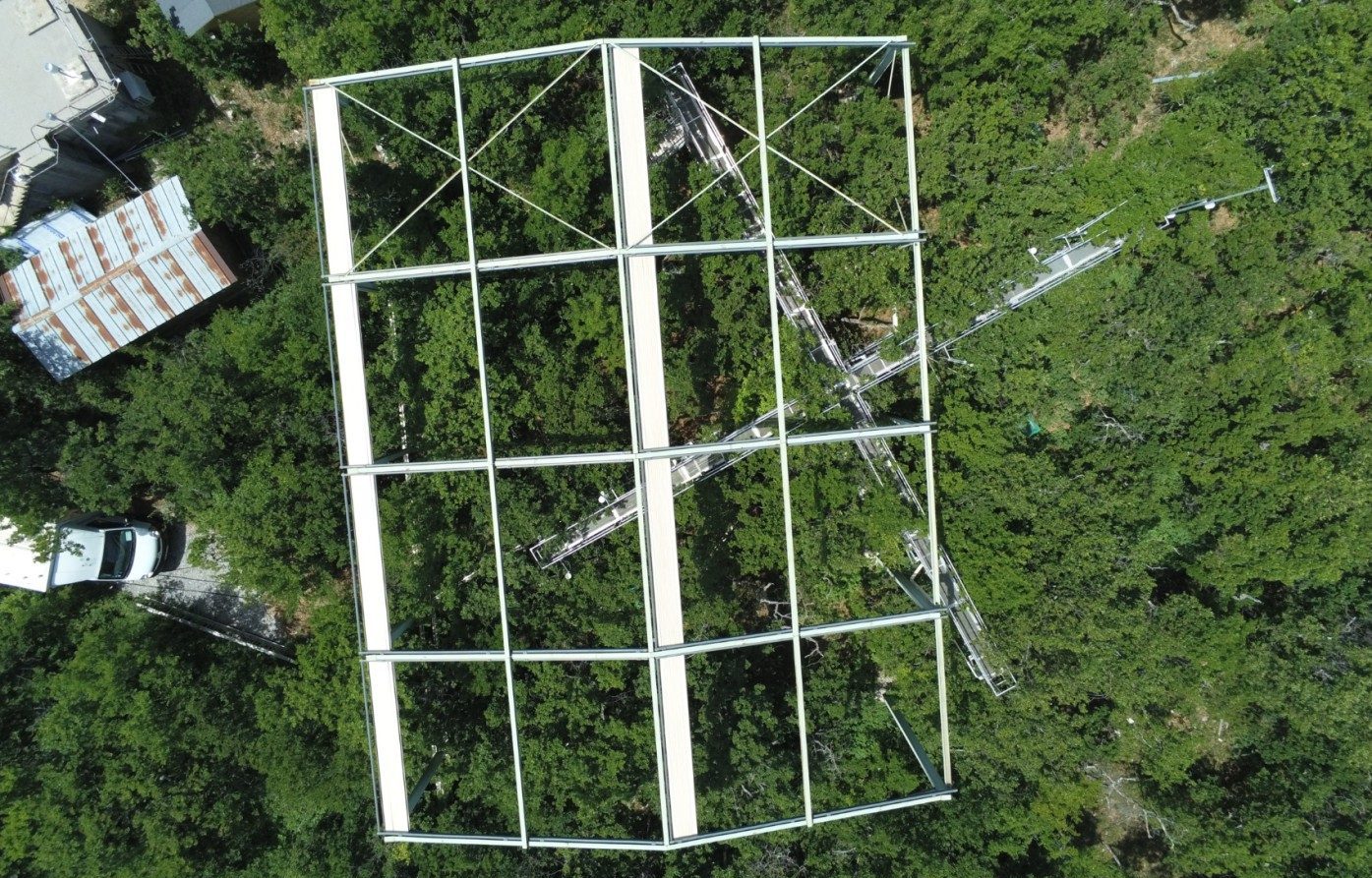
Explore the O3HP facility, and more, in the ISIA catalogue of services and apply throught one of our EU projects for free access.
Quick Links
Contact info
Other
Newsletter
Subscribe to our newsletter for funding opportunities, publications, events and other ecology research news.
Copyright © 2025. All rights reserved.