It all starts with soils
—— November 3, 2026. Gif sur Yvette, France
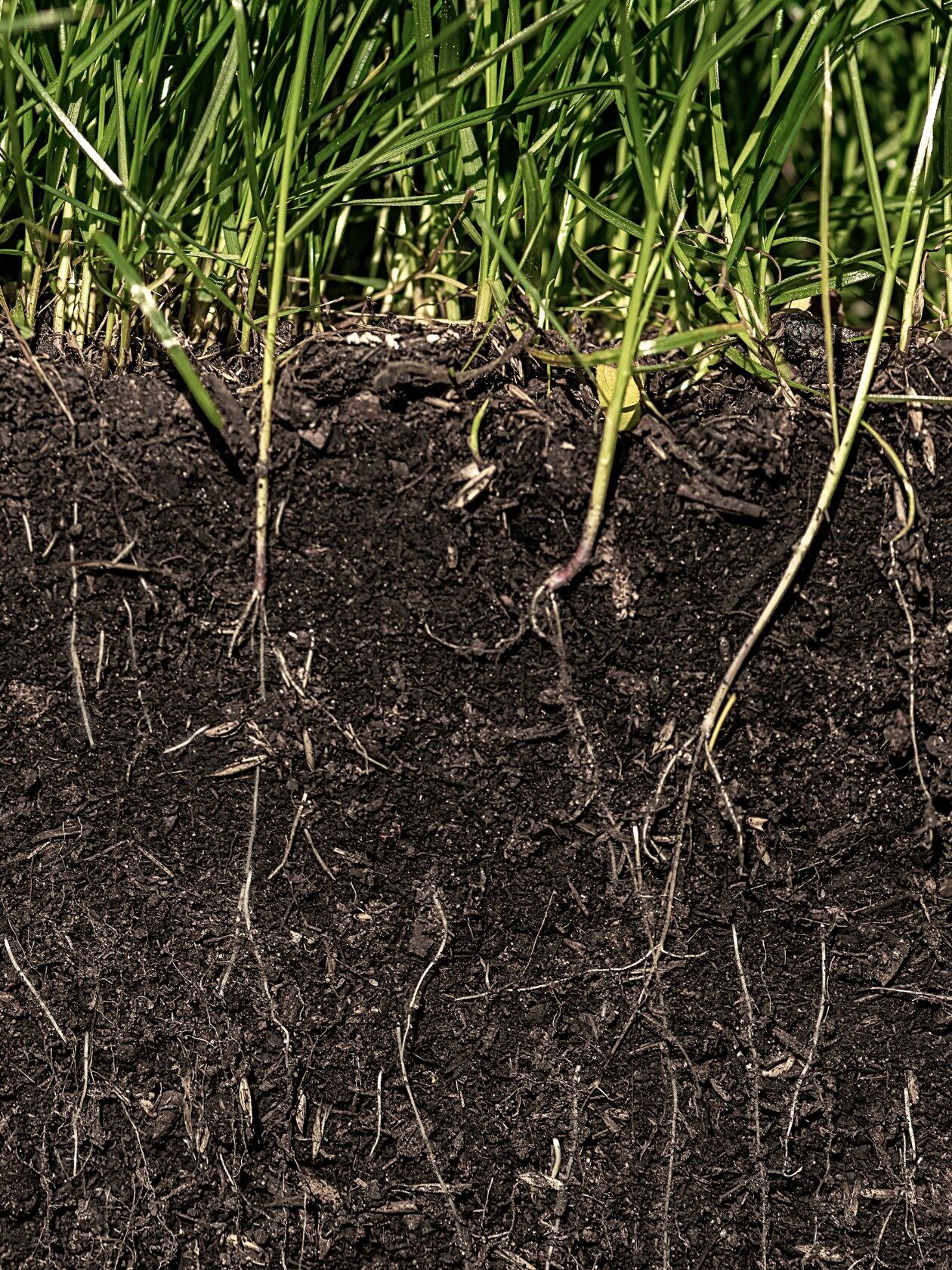
One theme runs through the latest AnaEE-ERIC newsletter: soils. From the microbial communities beneath our feet to the resilience of forests and grasslands, this issue shows how experimental research helps us understand soils under a changing climate. Through its network of facilities, AnaEE-ERIC connects long-term experiments with detailed analysis of soil life, providing the evidence needed to protect soils and the ecosystems they sustain.
What’s inside
AnaEE Impact #1: living labs at the crossroads of soil and human health. Our new community webinar series opens on 21 January 2027. The first edition looks at how pollutants such as PFAS, arsenic and cadmium move from soil into crops, water and air, and what soil scientists, data providers and living labs can achieve together. It is built around the forthcoming Horizon Europe joint call of the Soil Deal for Europe Mission and the Cancer Mission, which opens on 4 February 2027 and closes on 21 September 2027. Register here.
Abstract deadlines to plan for. The FORESTT International Conference (Metz, 5-7 October 2027) closes its call on 13 December 2026. EGU 2027 (Vienna, 4-9 April 2027) closes on 12 January 2027, and AnaEE-ERIC is co-convening session SSS9.10 on soil-plant-livestock interactions in circular agroecosystems. The AnaEE community is especially encouraged to submit.
Help us build our Wageningen masterclass. We are developing a masterclass on soil for the Wageningen Soil Conference 2027. If you would like to contribute scientific input, experimental approaches or facility expertise, write to .
Two recent soil studies from AnaEE facilities. At the University of Antwerp’s ESFRI-AnaEE FATI platform, researchers found that soil microbial communities respond slowly to longer dry and wet spells, which means short monitoring campaigns can underestimate the effect of shifting rainfall (paper). At the O3HP observatory in Provence, soil bacteria from a decade-long drought experiment were combined into consortia that cut the risk of drought symptoms by 47% in downy oak and 71% in wild service tree in greenhouse tests (paper).
Looking back. The newsletter also covers the AnaEE Science Conference 2026 in Menton, where attendance doubled from 46 to 95 guests, plus our autumn on the road (Nordic Oikos, Forests of the Future in Croatia, and the World Green Infrastructure Congress), project updates (Access2Access, PHENET, SUSTAIN-ARCTIC, AQUASERV), and open calls for project funding.