How do you study one of the planet’s most fragile regions without adding to the pressure it’s already under?
—— October 12, 2026. Torino, Italy
That is the question at the heart of SUSTAIN-ARCTIC, a new EU Horizon project (2026-2029) that AnaEE ERIC is proud to be part of.
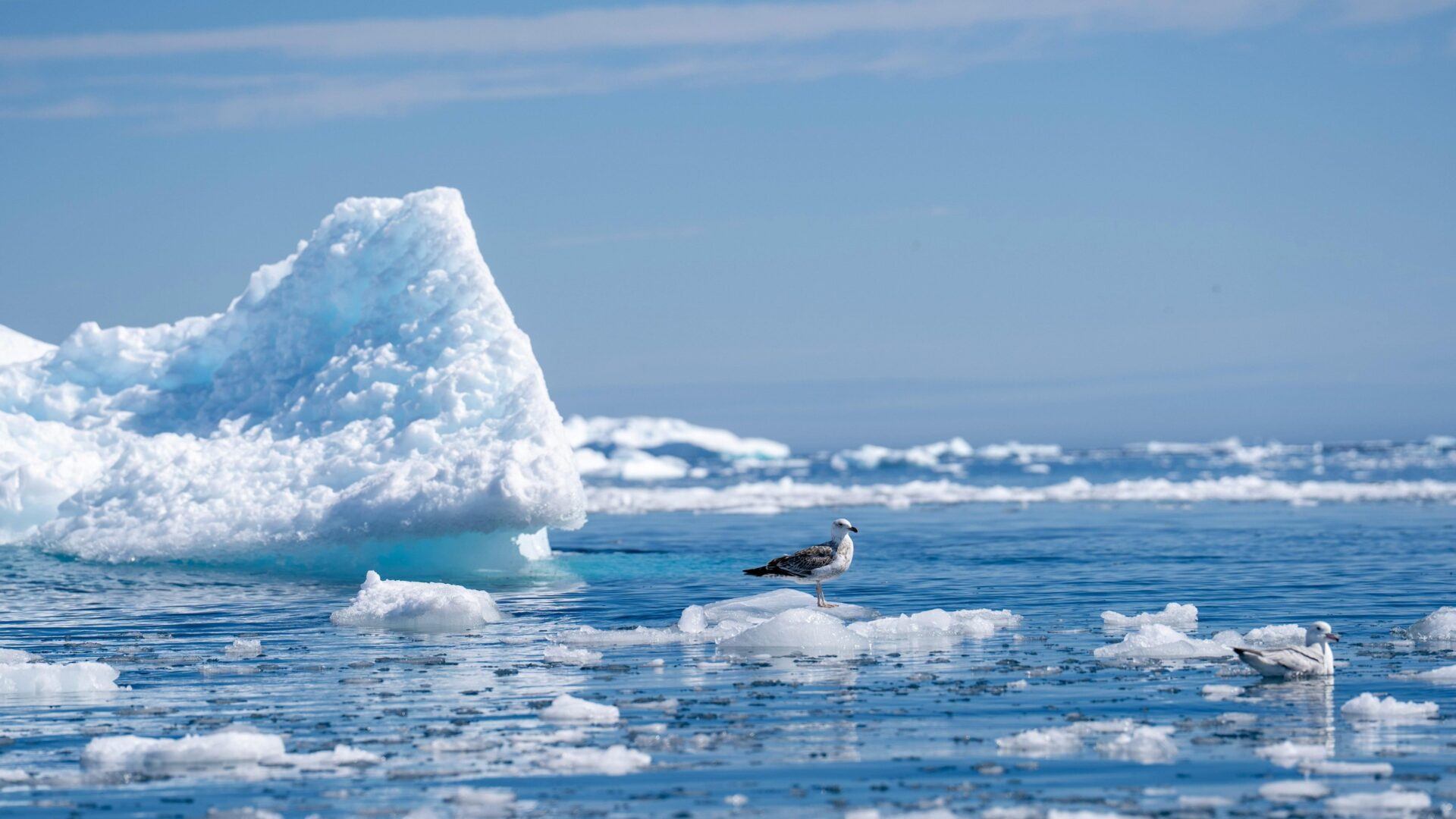
The Arctic and Sub-Arctic are among the most climate-sensitive places on Earth, and they play a vital role in the global ecosystem. Scientists urgently need more observations there, yet the research infrastructures that collect them often rely on carbon-intensive operations. More science shouldn’t have to mean more emissions.
SUSTAIN-ARCTIC brings together 11 scientific institutions from 6 countries to tackle both sides of the problem. The project will develop and promote digital solutions that make scientific operations in Arctic research infrastructures environmentally neutral.
AnaEE’s role: connecting results to the community
AnaEE ERIC will act as a bridge between the project and the wider environmental research infrastructure landscape. Within the ENVRI Community, we will promote the uptake of the new solutions and best practices, helping ensure that what SUSTAIN-ARCTIC develops genuinely reduces the environmental impact of field activities across research infrastructures.
The project’s kick-off meeting took place in Turin, Italy, on 12-13 October, bringing all partners together to launch the mission. AnaEE’s dedicated looks forward to contributing to a decisive step toward climate neutrality in Arctic research.

Icon: arctic by Phạm Thanh Lộc from Noun Project (CC BY 3.0)
_______________________________________________________________